
Direct fish sales are one of the oldest yet most relevant distribution models in aquaculture. For years, it has been a natural element of fish farming operations – fish went directly to the customer from the breeding site, without intermediaries and unnecessary storage. Today, this model is making a comeback, responding to changing market conditions and consumer expectations.
At the center of direct sales is the short supply chain. It means the simplest possible route for the product: from the farmer to the buyer. No long transport, no anonymity, no loss of control over quality. This solution benefits both parties – the producer and the consumer.
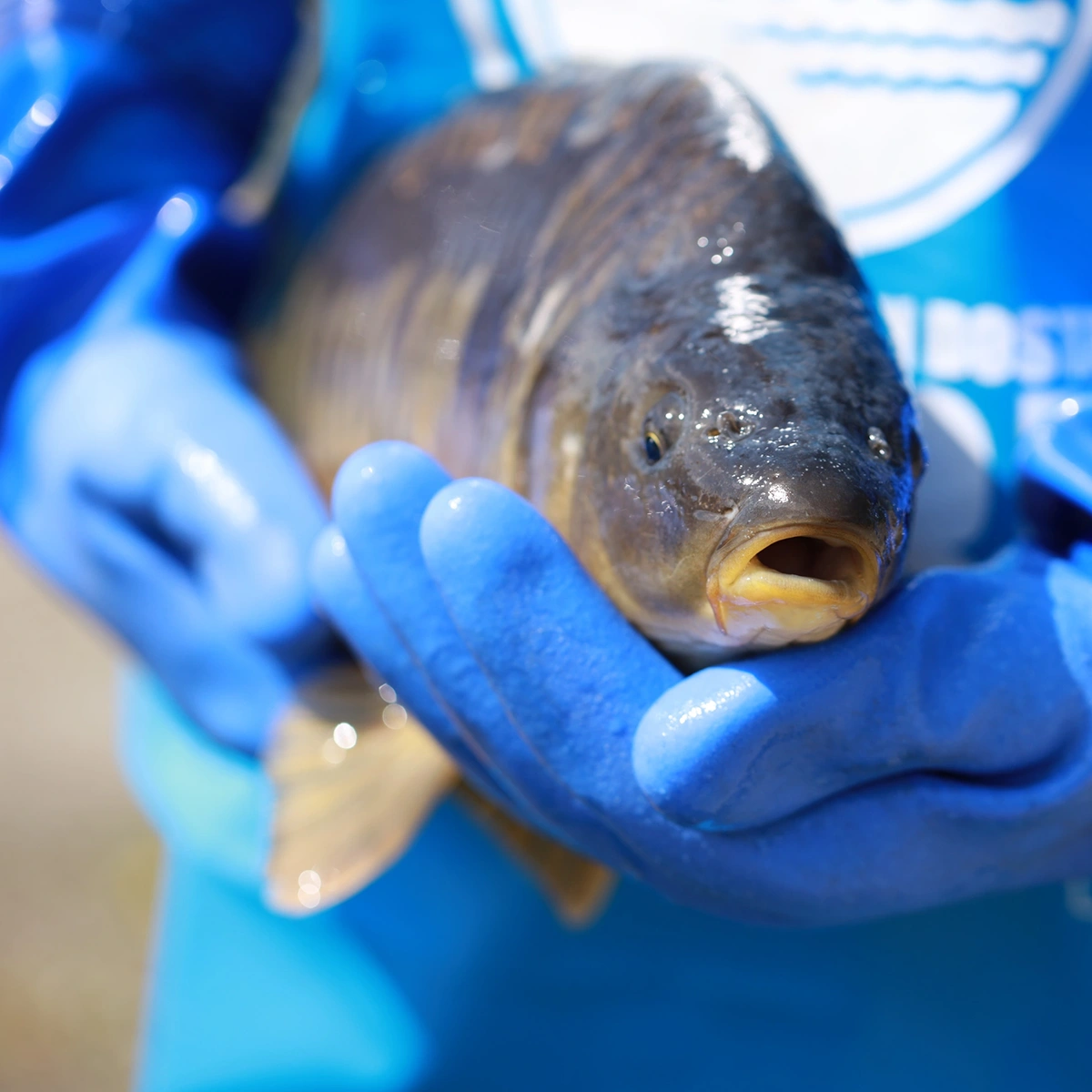
In recent years, the carp market in Poland has undergone significant changes. The withdrawal of retail chains from selling live fish forced fish farms to adapt quickly to new realities. For many of them, direct sales have become not just an alternative but a necessity.
At the same time, consumer expectations have changed. More and more often we want to know, where the product comes from, who raised it, and under what conditions it was stored. Direct sales facilitate such discussions. They allow for building relationships based on trust and transparency – without the rush and pressure typical of mass sales.
In direct sales, carp stops being an anonymous commodity. It becomes a local product, connected to a specific farm, region, and people. A short supply chain means greater freshness of fish, better control over quality, and the ability to tailor the sales format to customer needs.
Alongside traditional sales of live fish, other forms are increasingly appearing: gutted fish, carcasses, parts, or fillets. This is a "new opening" in carp trade, showing that direct sales can be modern, flexible, and adapted to the contemporary market.
Direct sales are not just the moment of purchase. They also involve proper preparation of the sales venue, knowledge of regulations, organizing back-end operations, and customer contact. It requires knowledge and experience, but gives producers greater independence and real influence over how their farms operate.
As part of the project, we promote proven solutions for direct sales, showcasing them in practice – during training, field meetings, and informational events. We want to ensure that direct sales are not just an idea but a real tool for the development of fish farms.
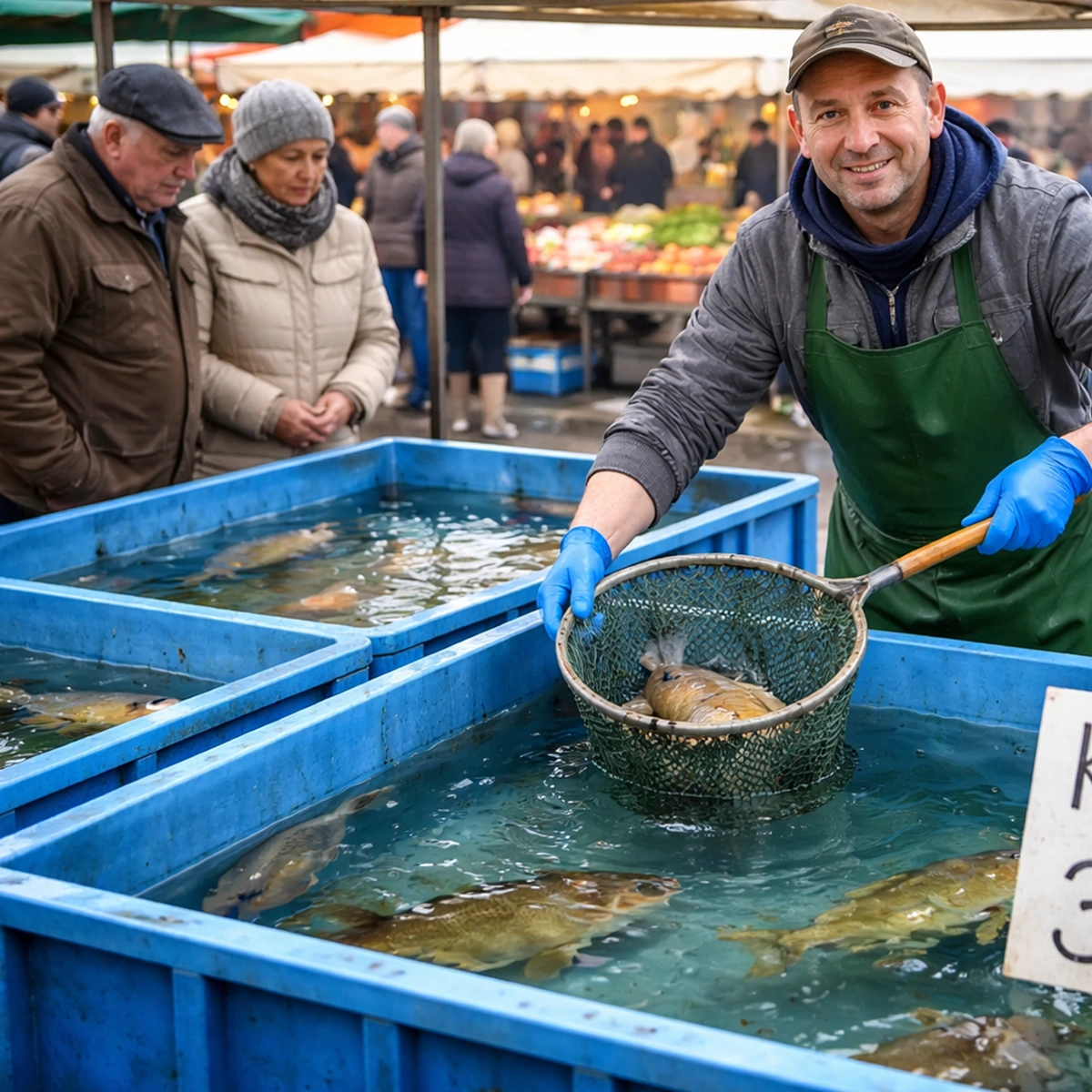
Direct sales are a model that combines tradition with modernity. It is based on the experience of generations while also addressing contemporary market needs. It strengthens producers' positions, shortens the path of the product to the consumer, and allows for maintaining quality, which is crucial in aquaculture.
By promoting direct sales of carp, we want to show that the short supply chain is not a fleeting trend but a lasting direction for the development of national aquaculture.

