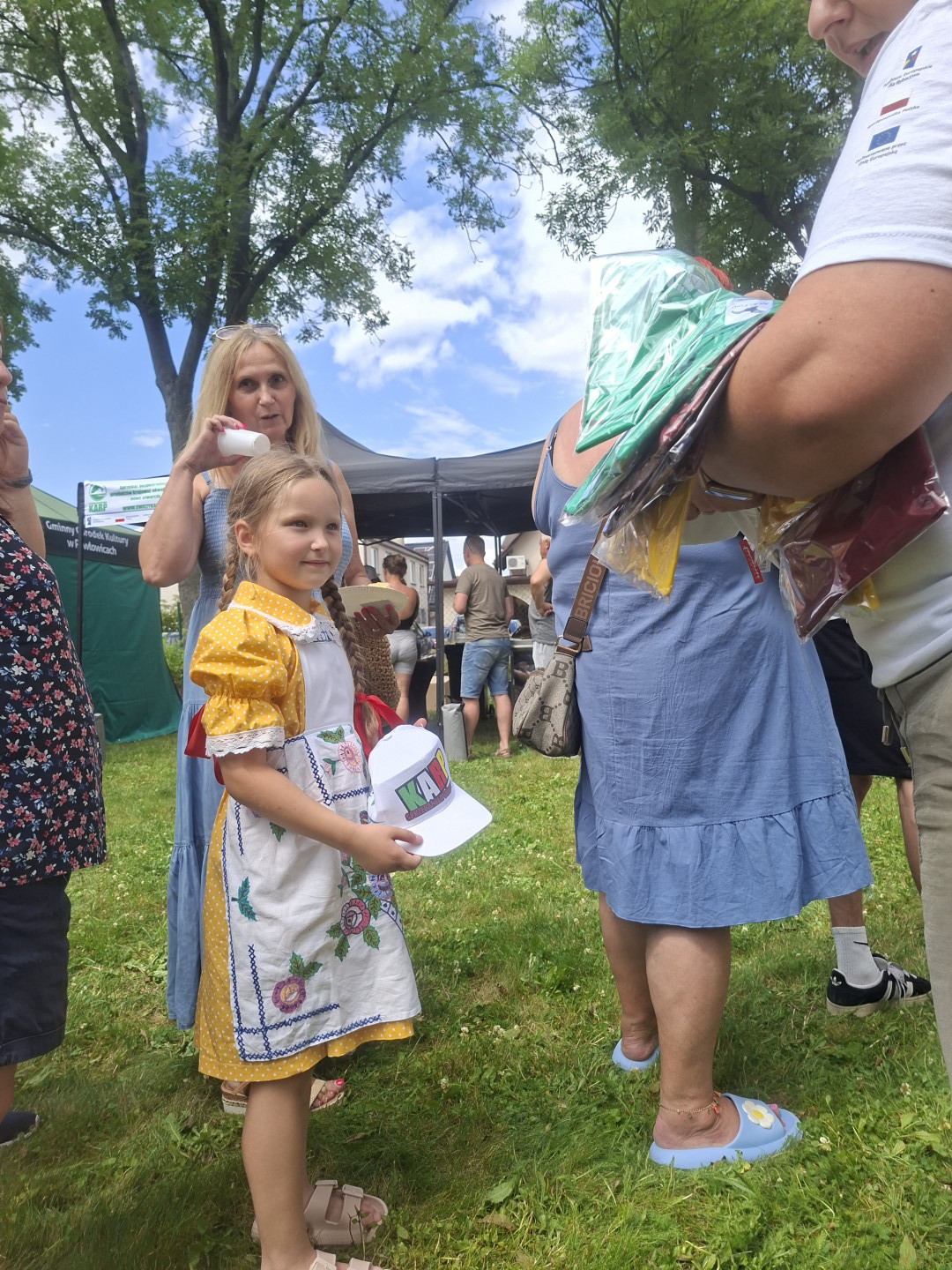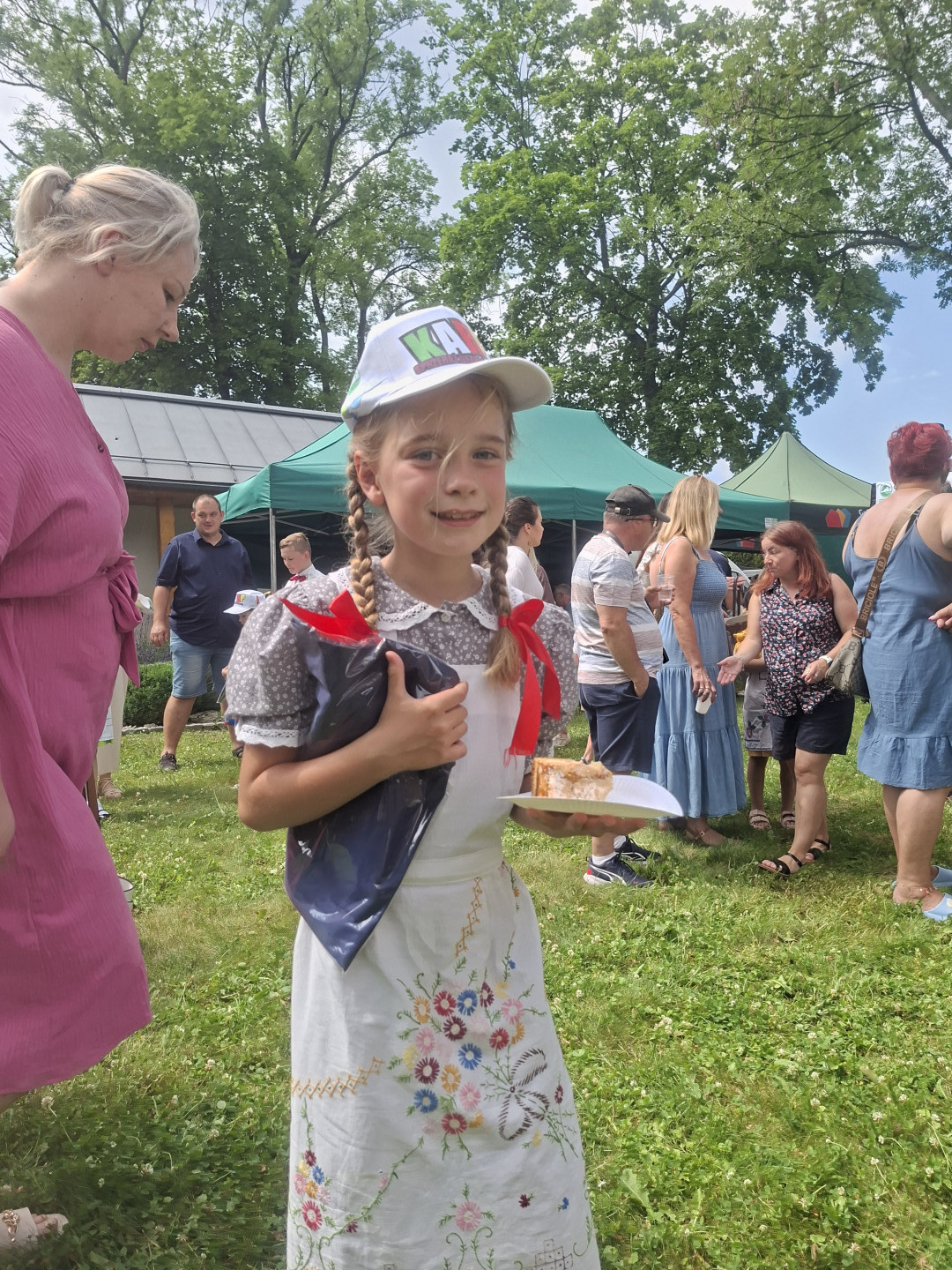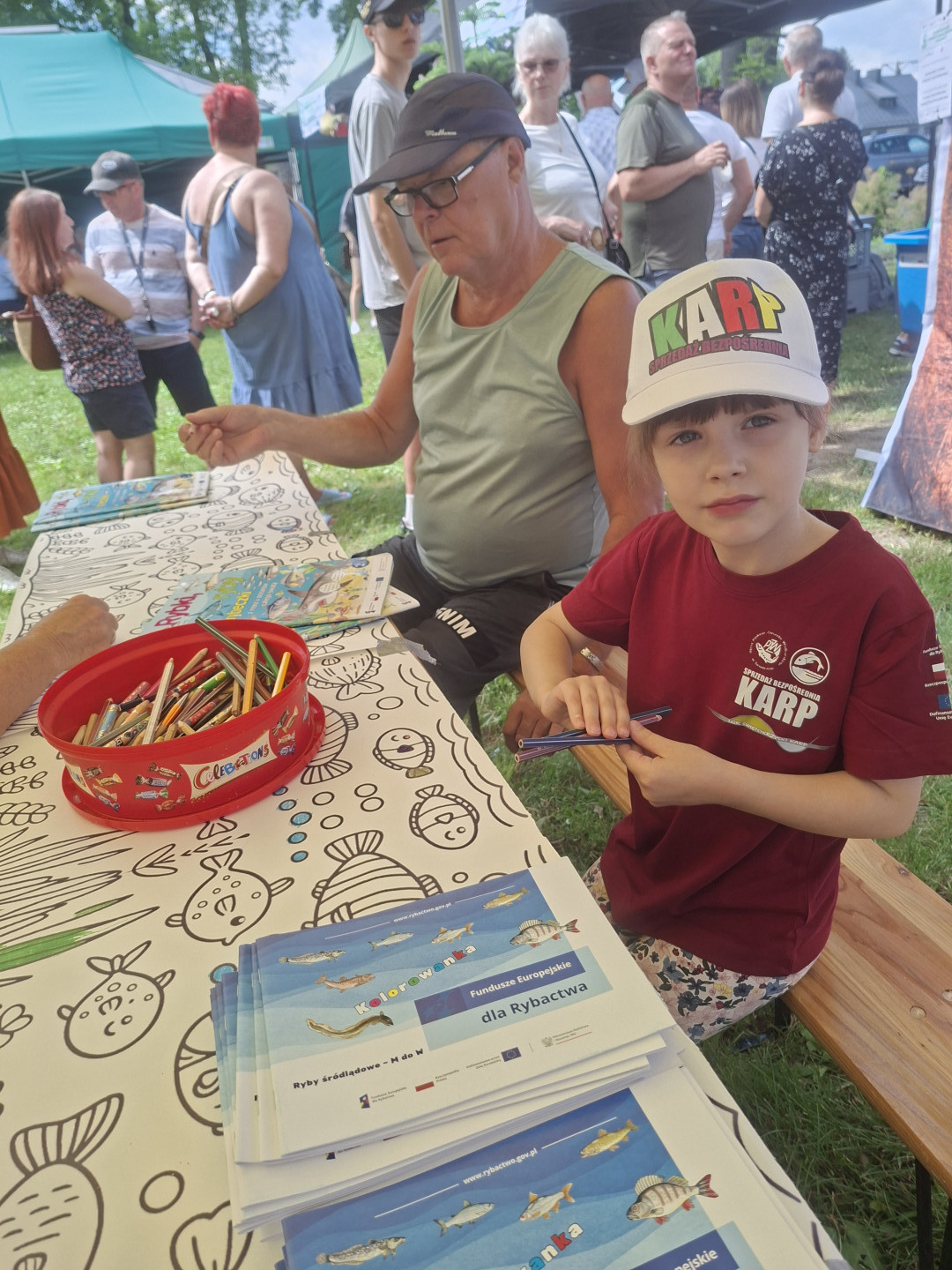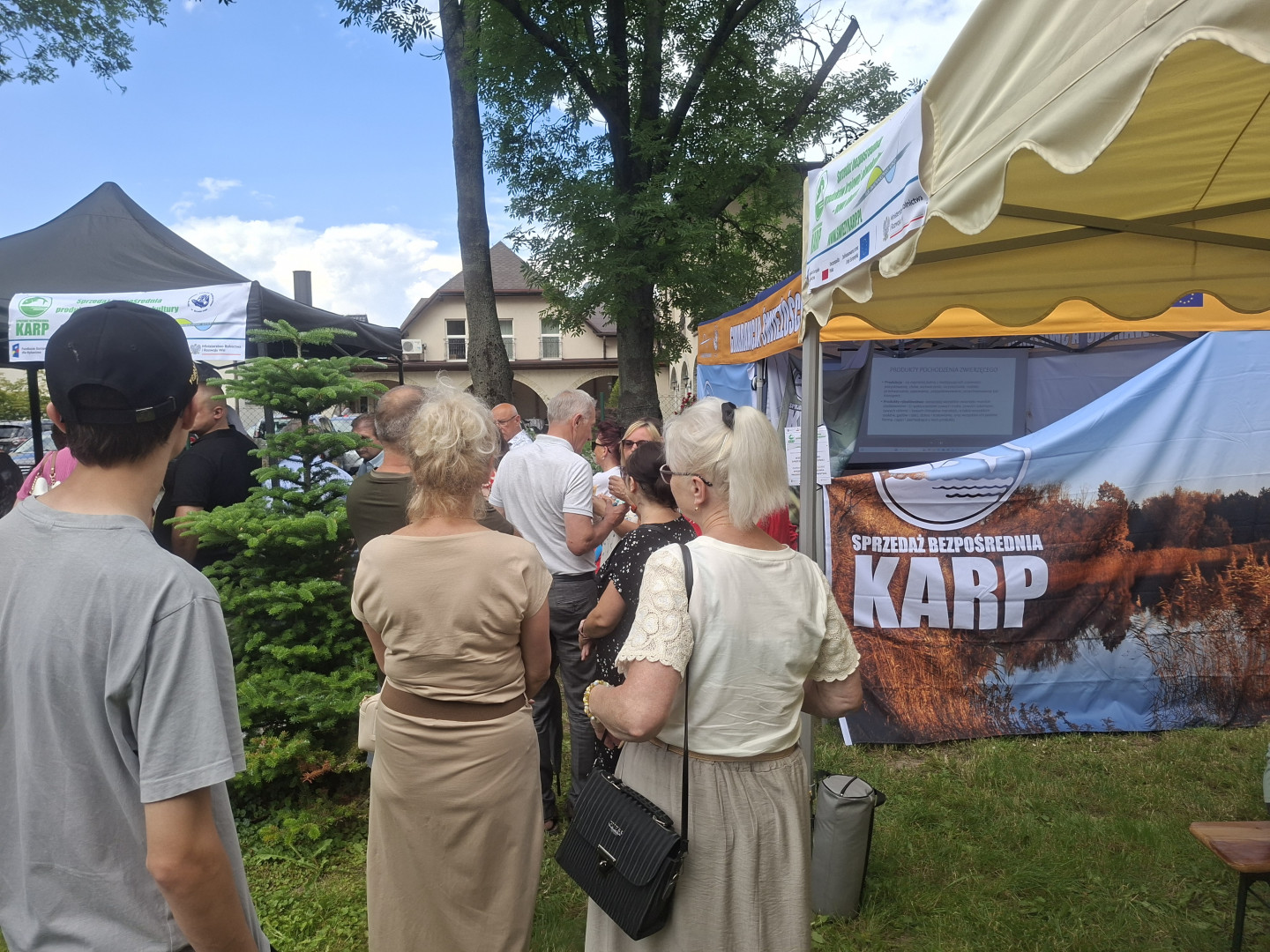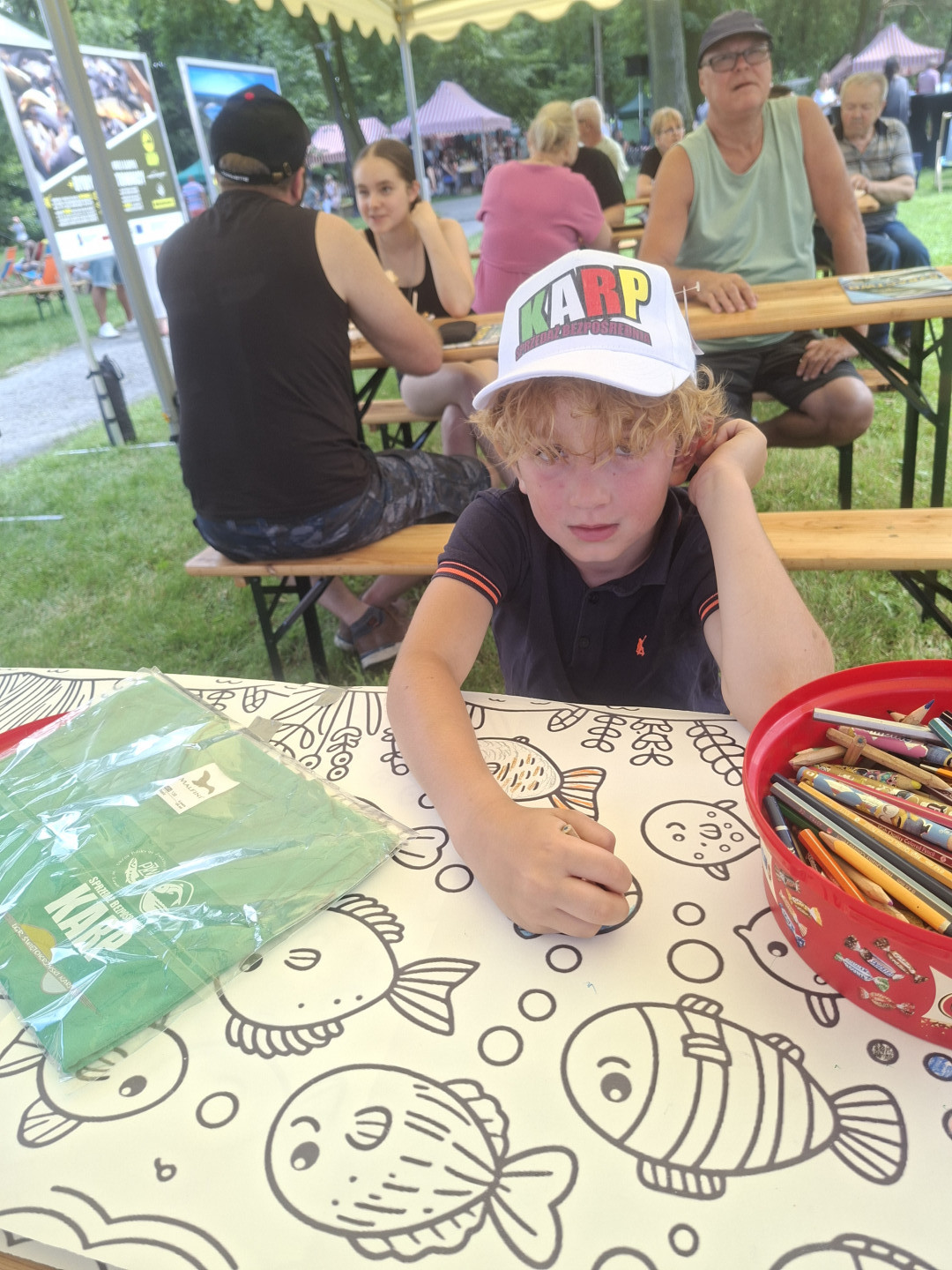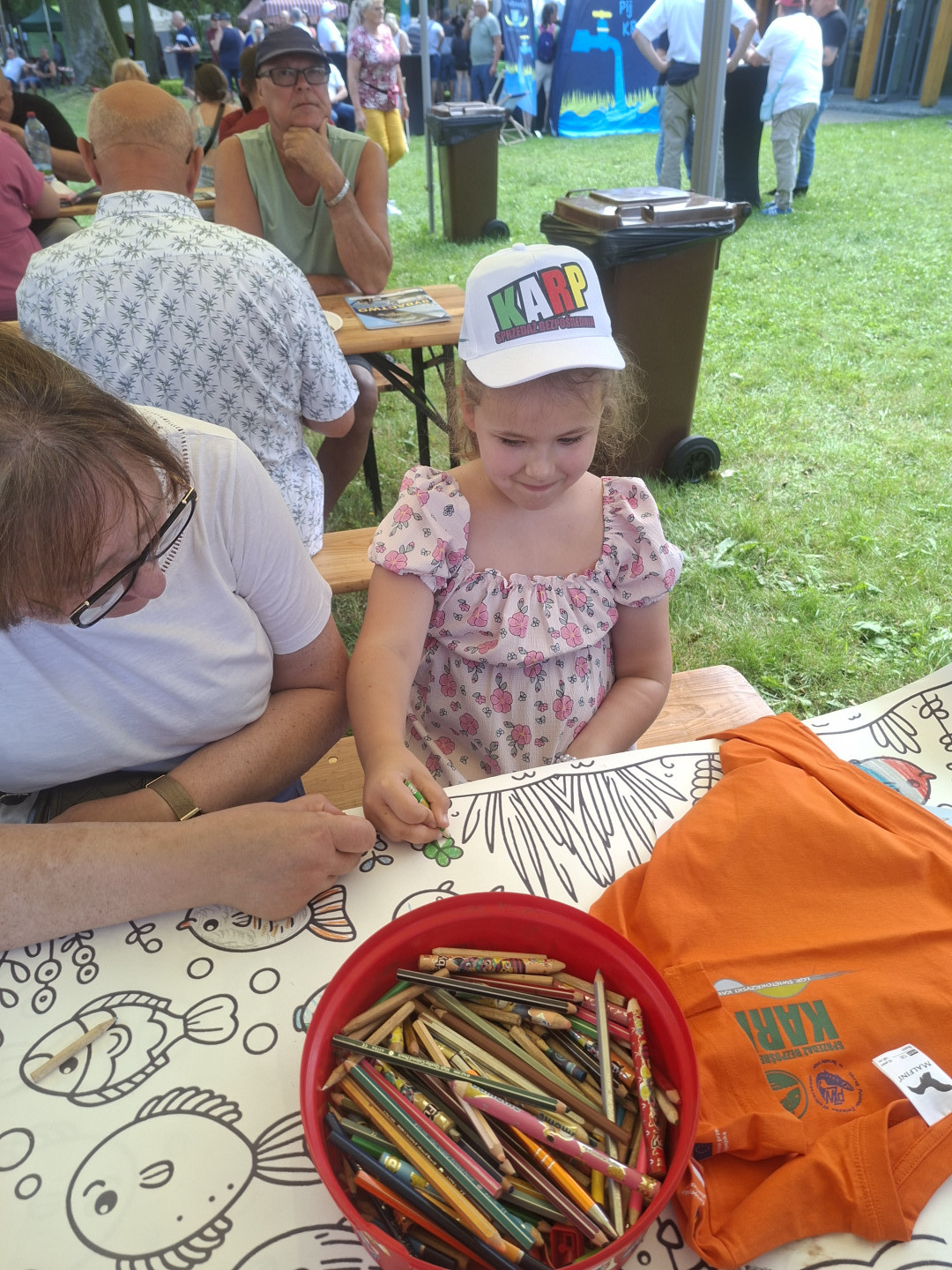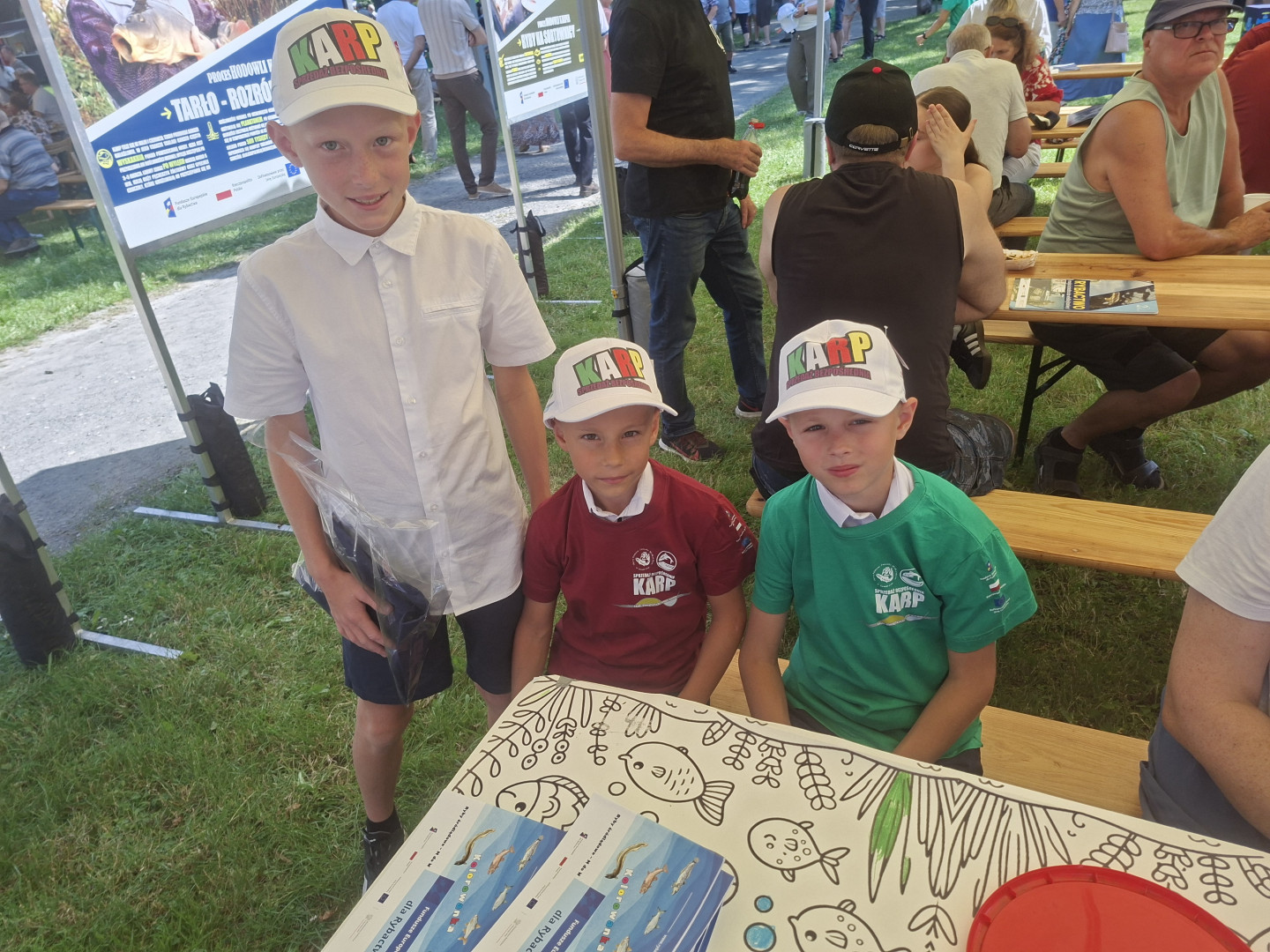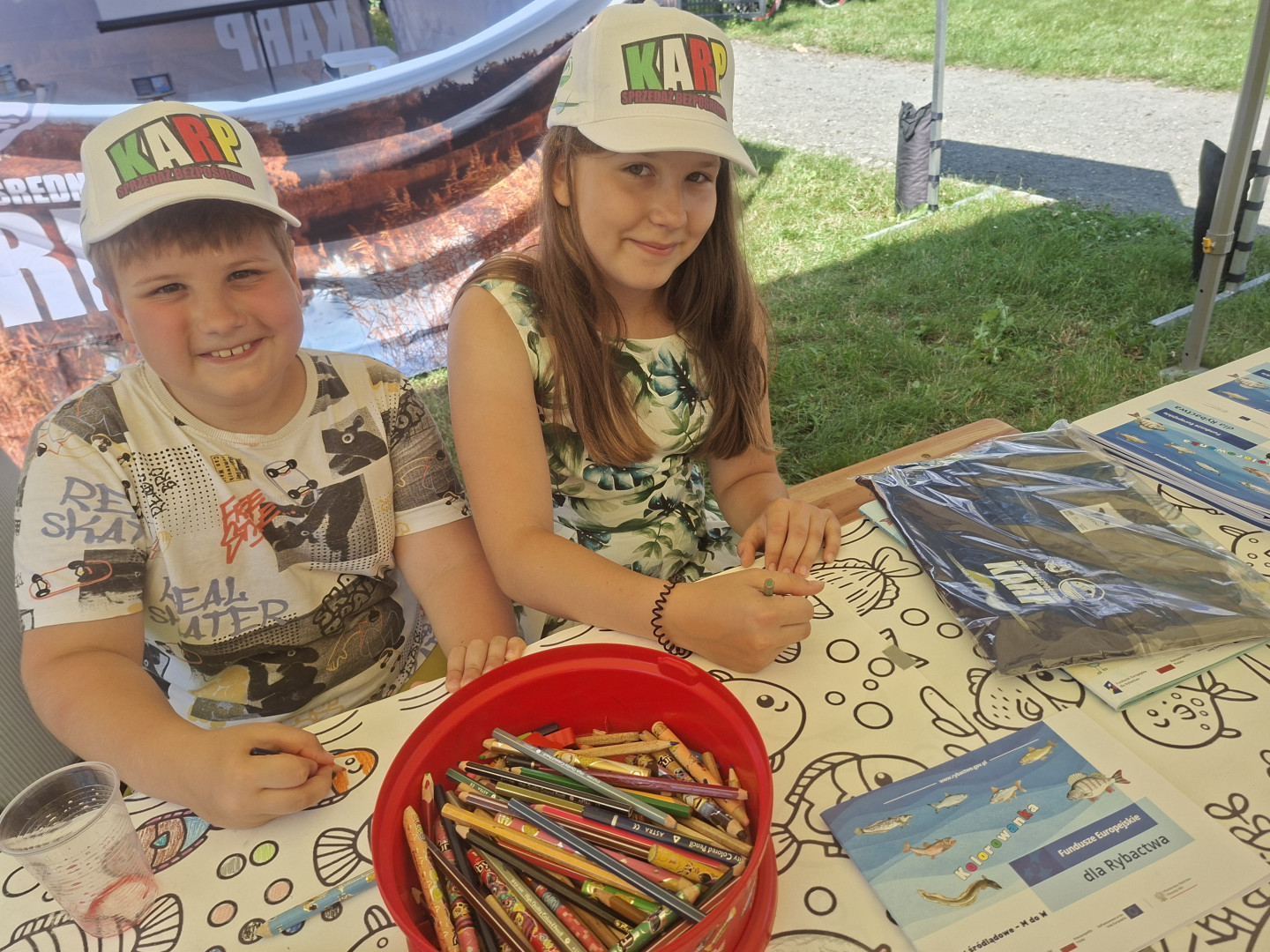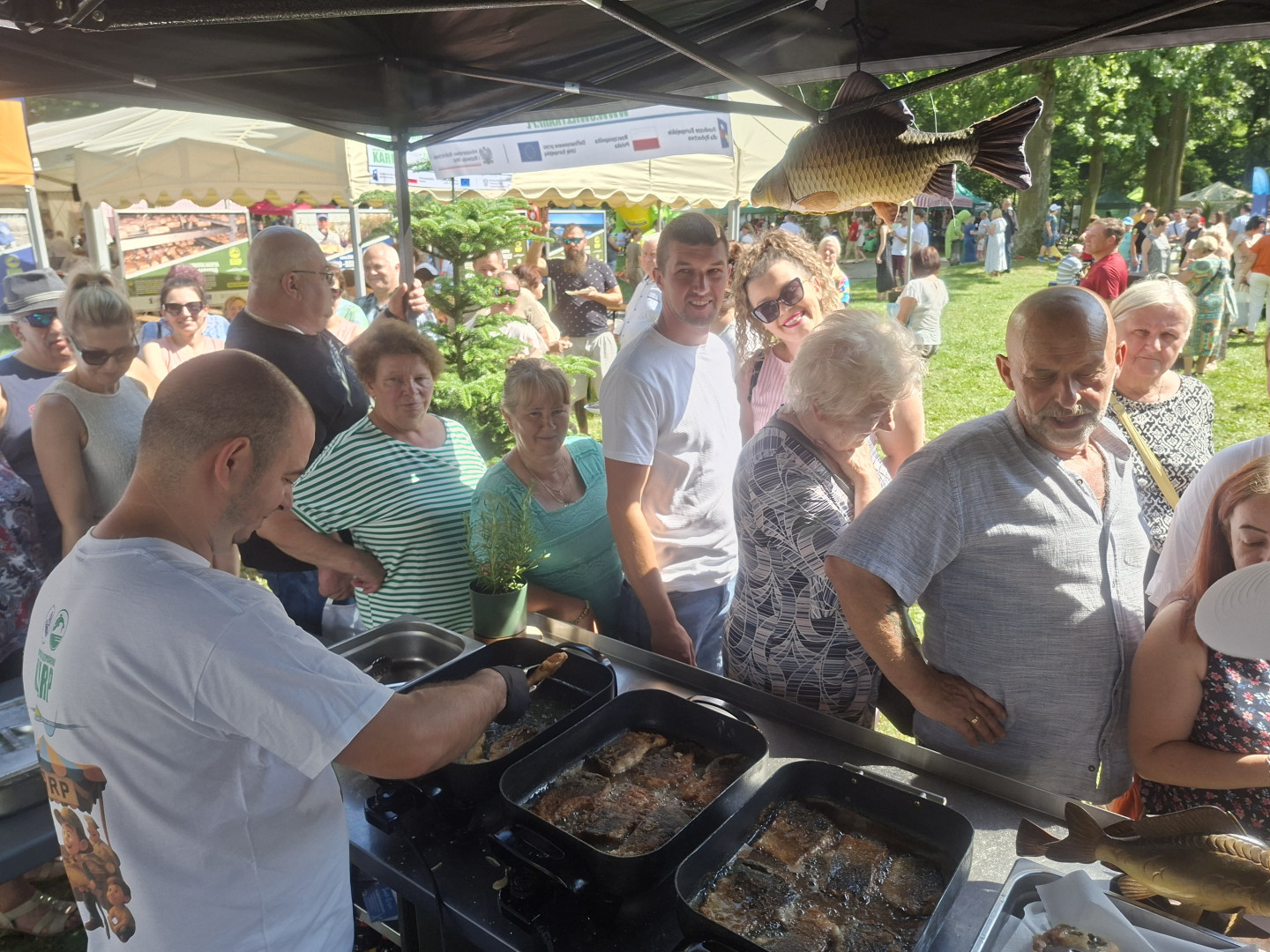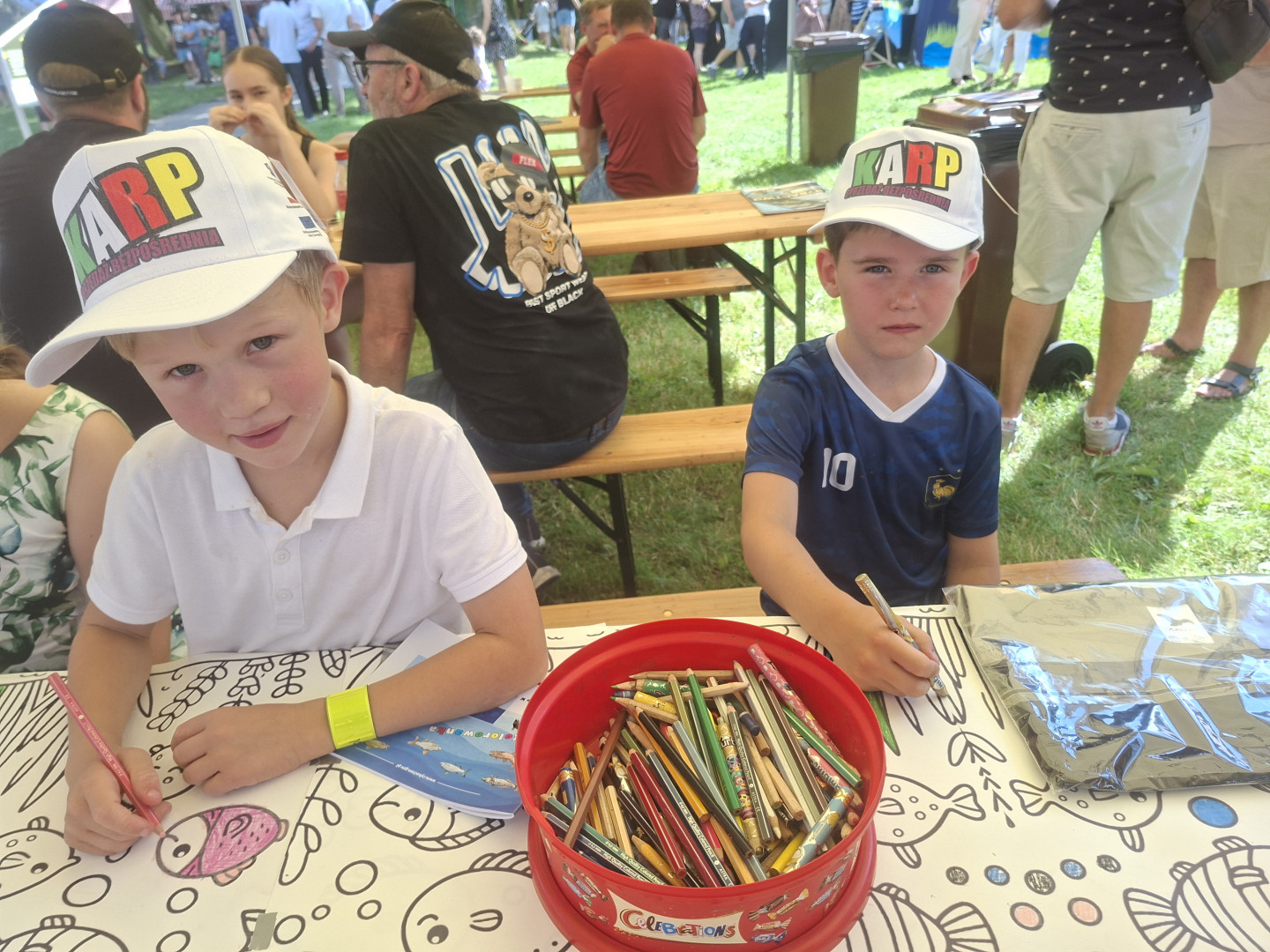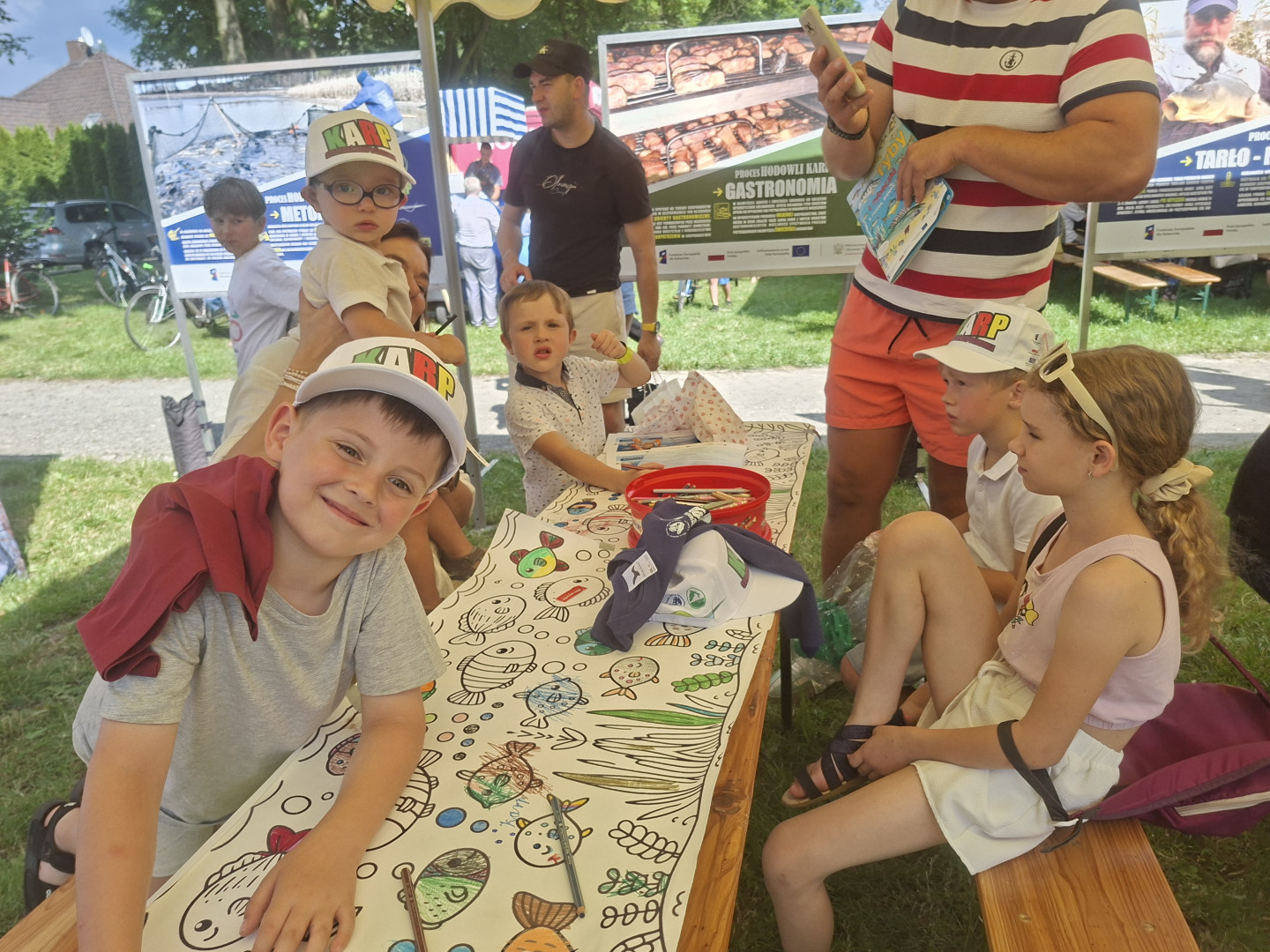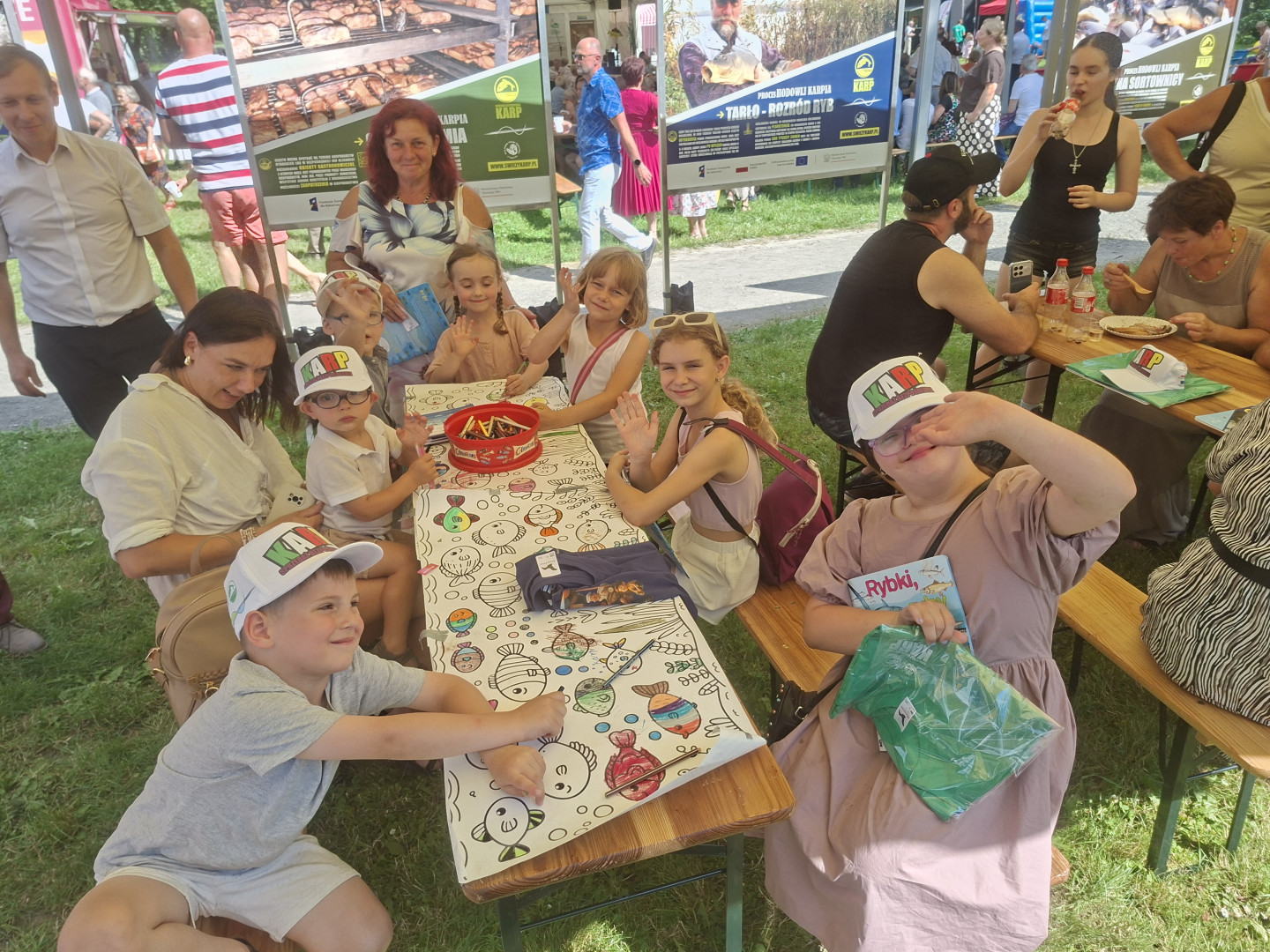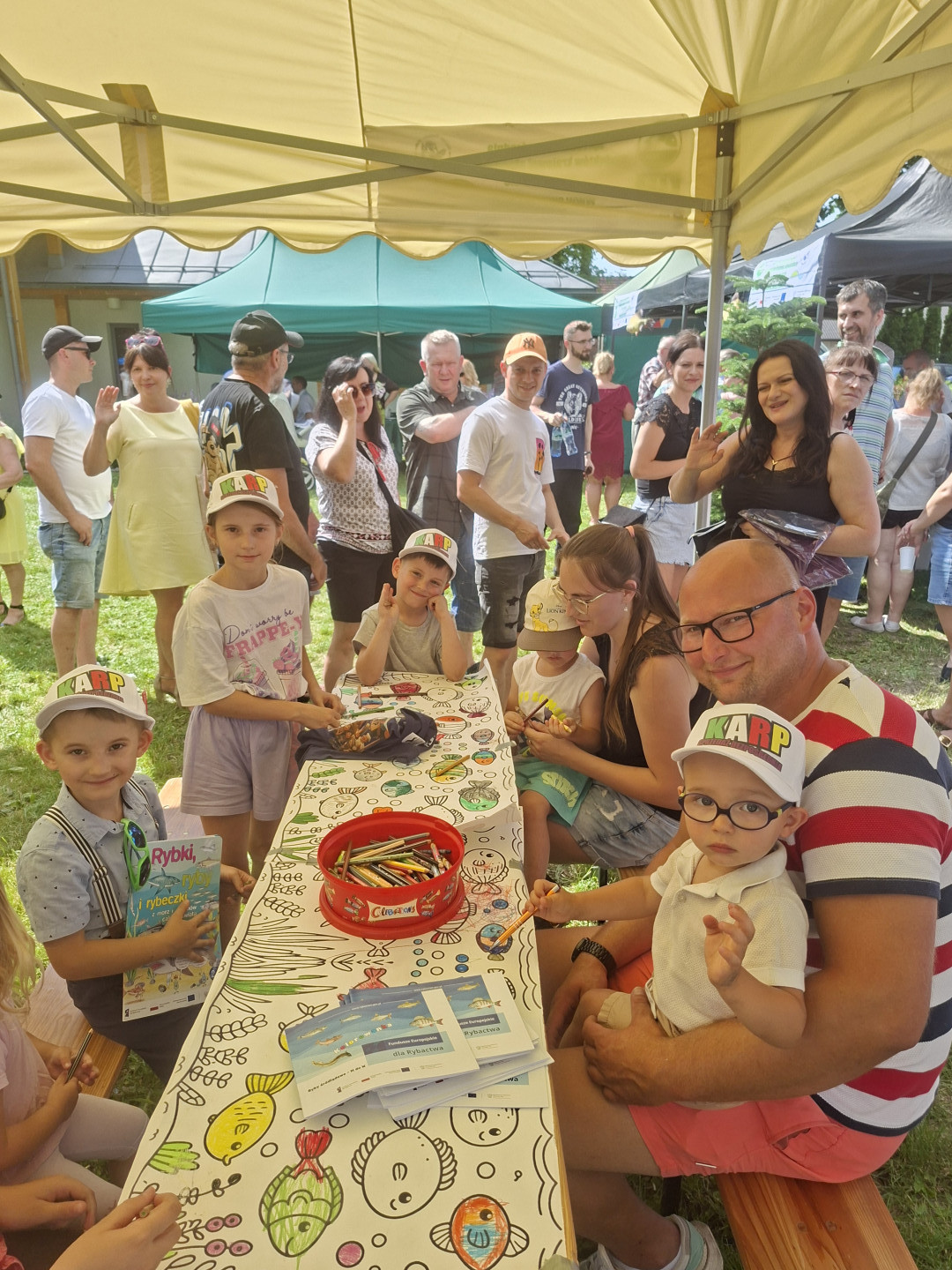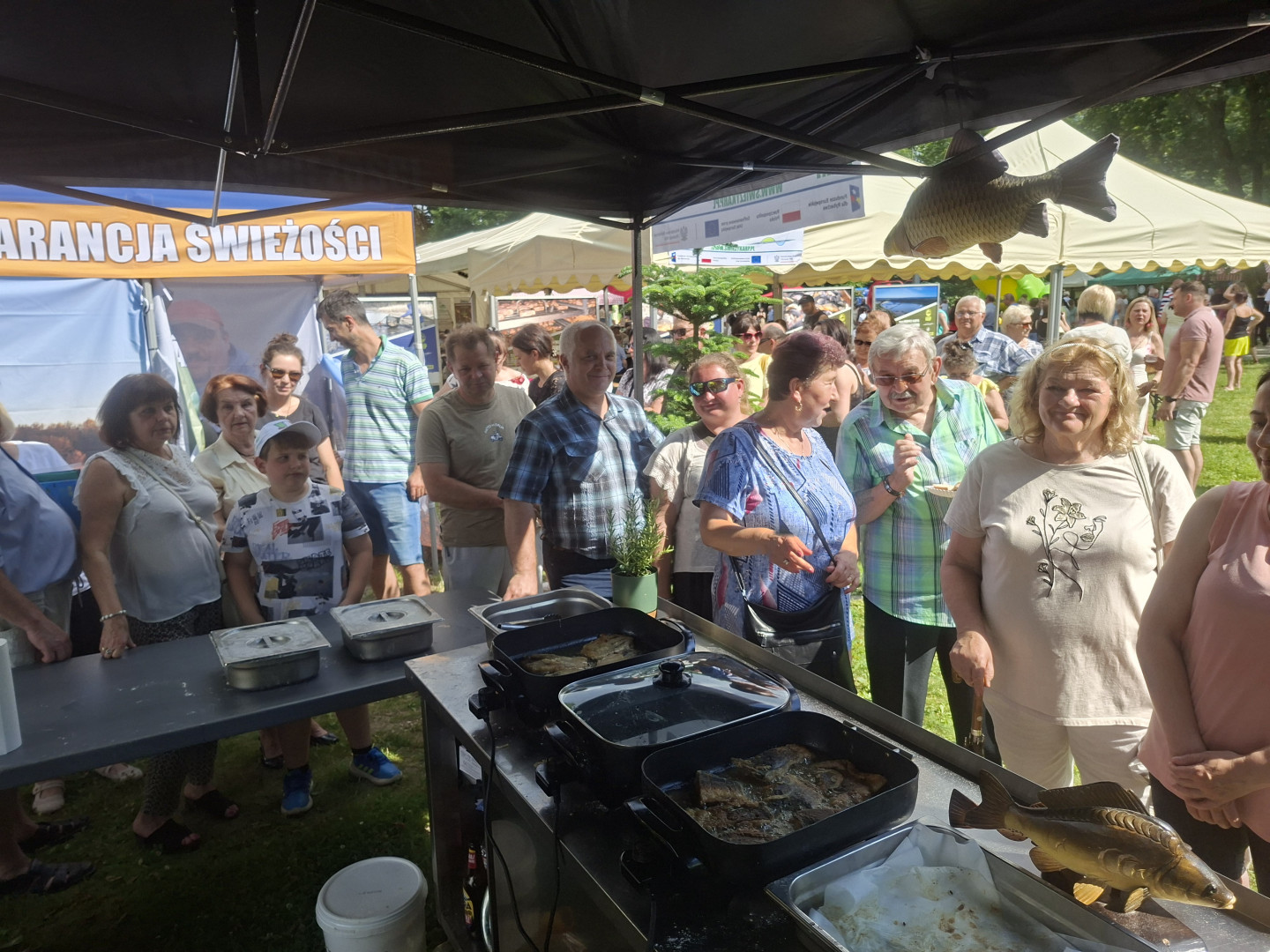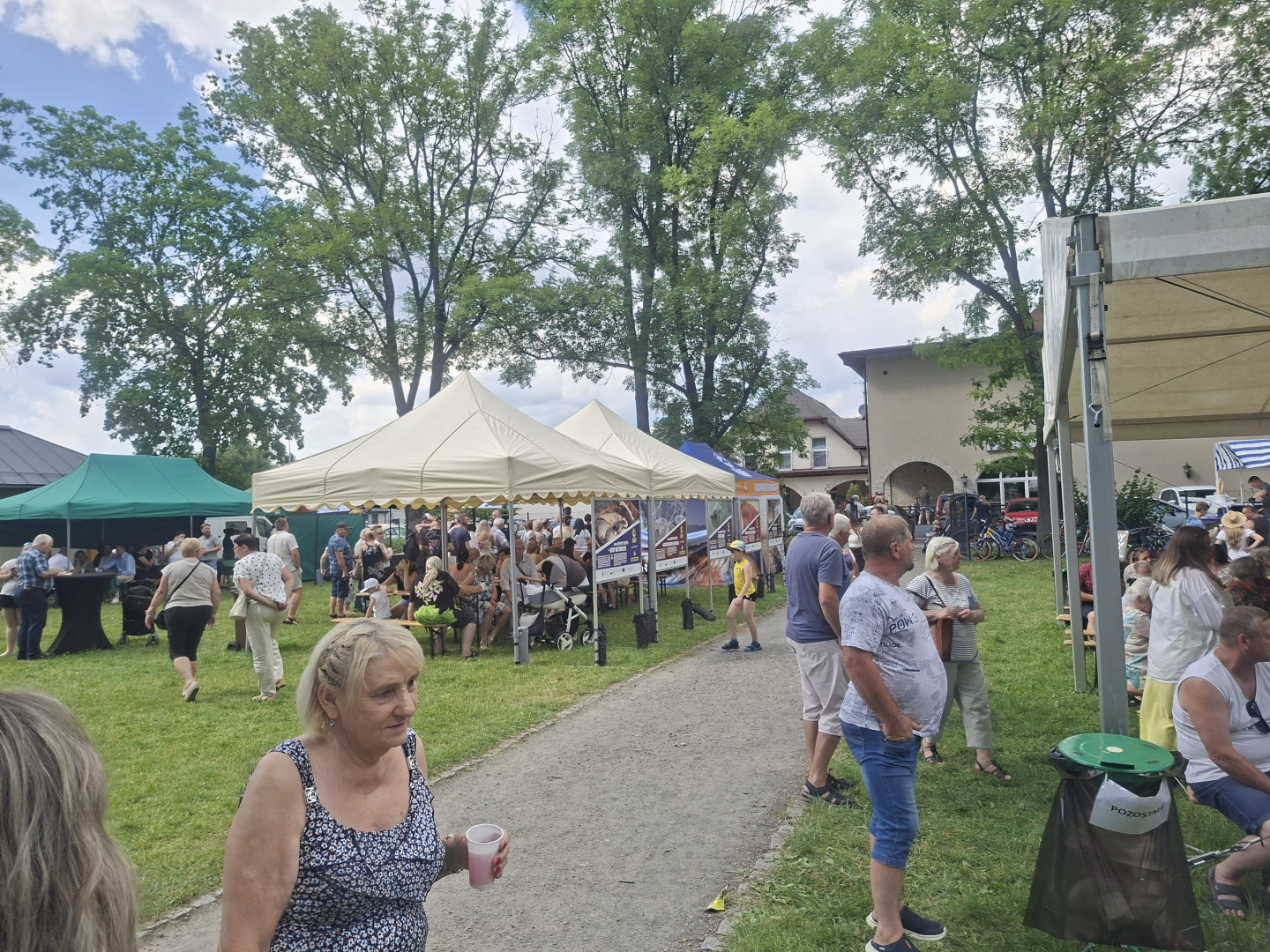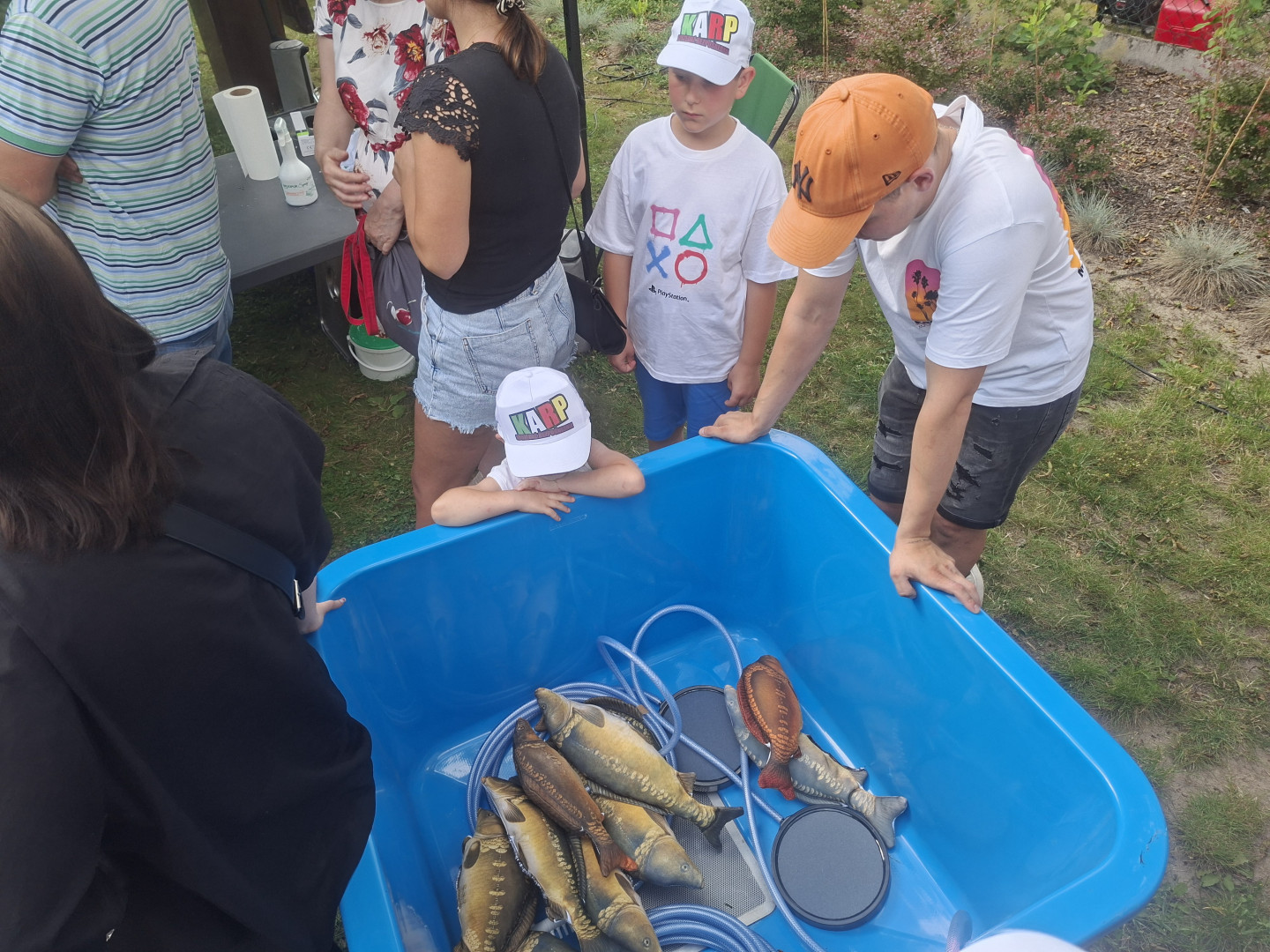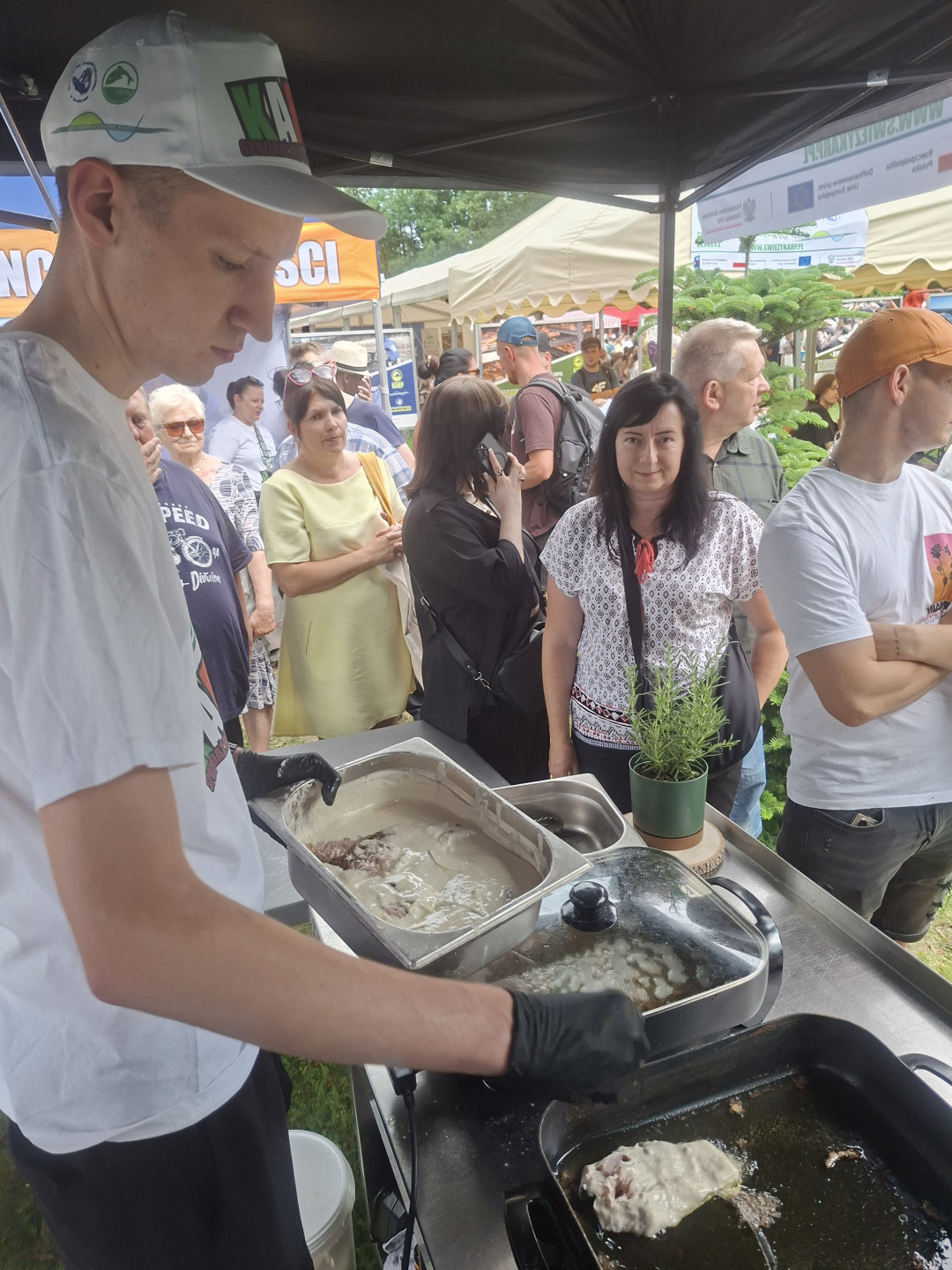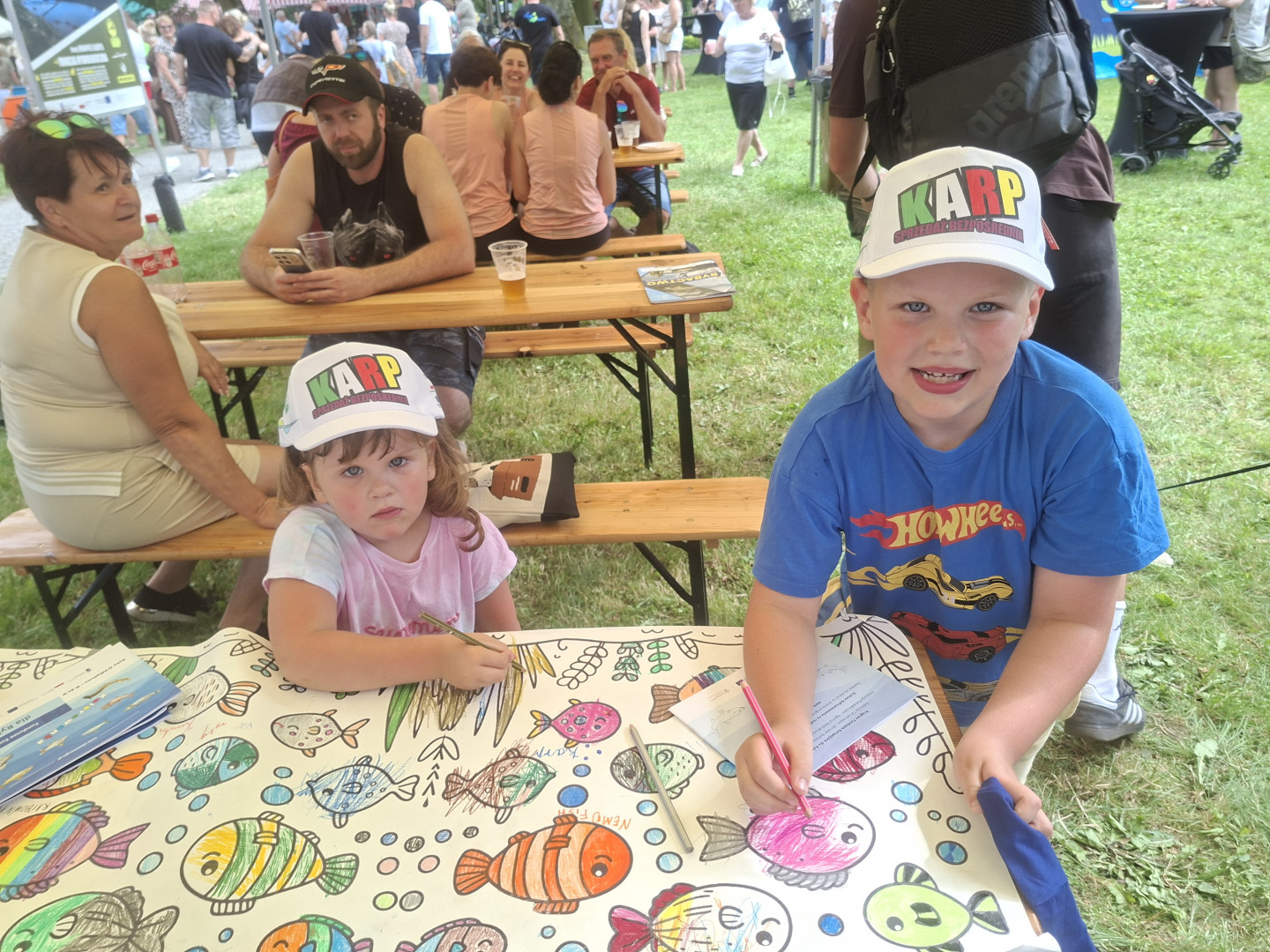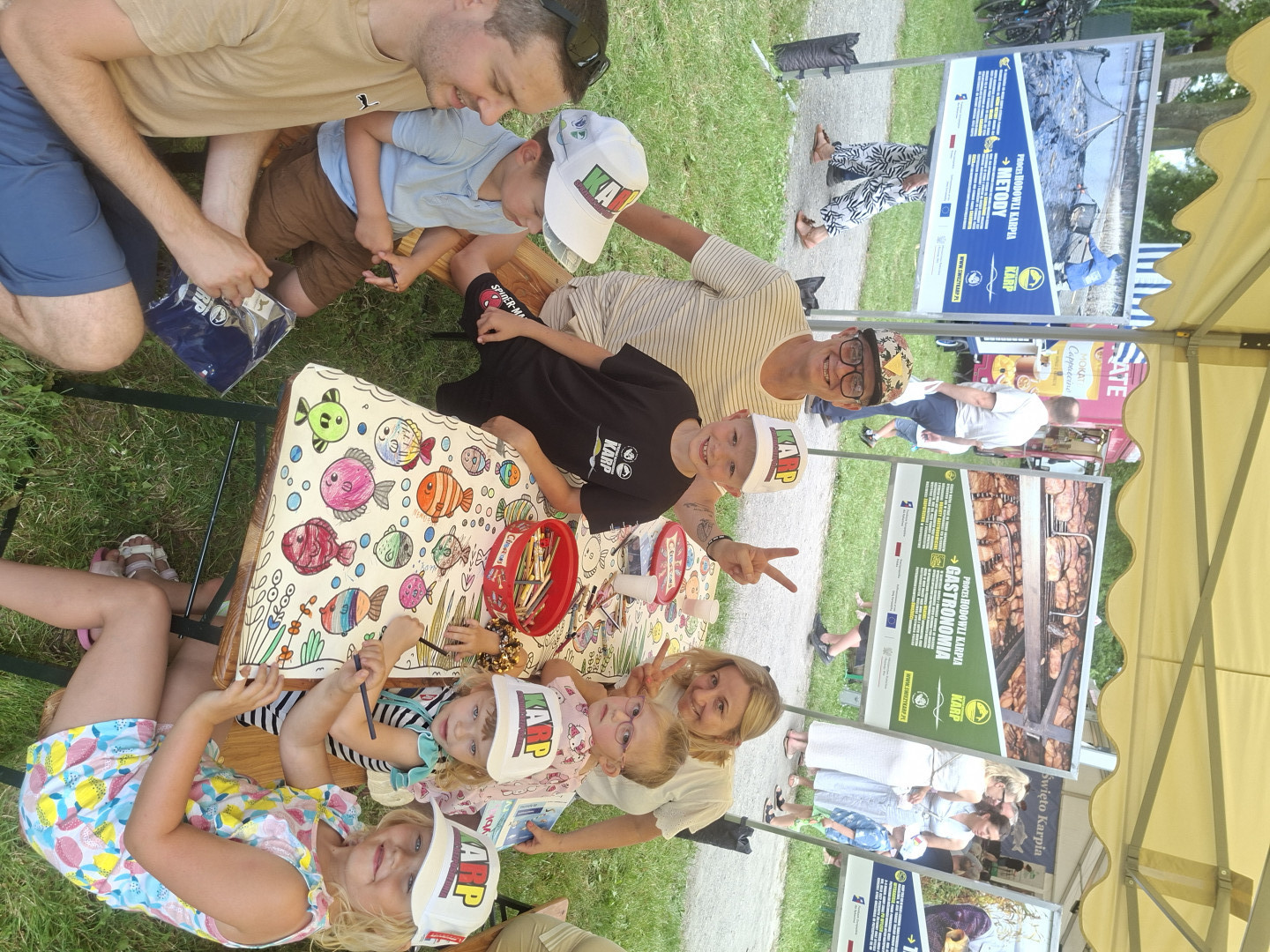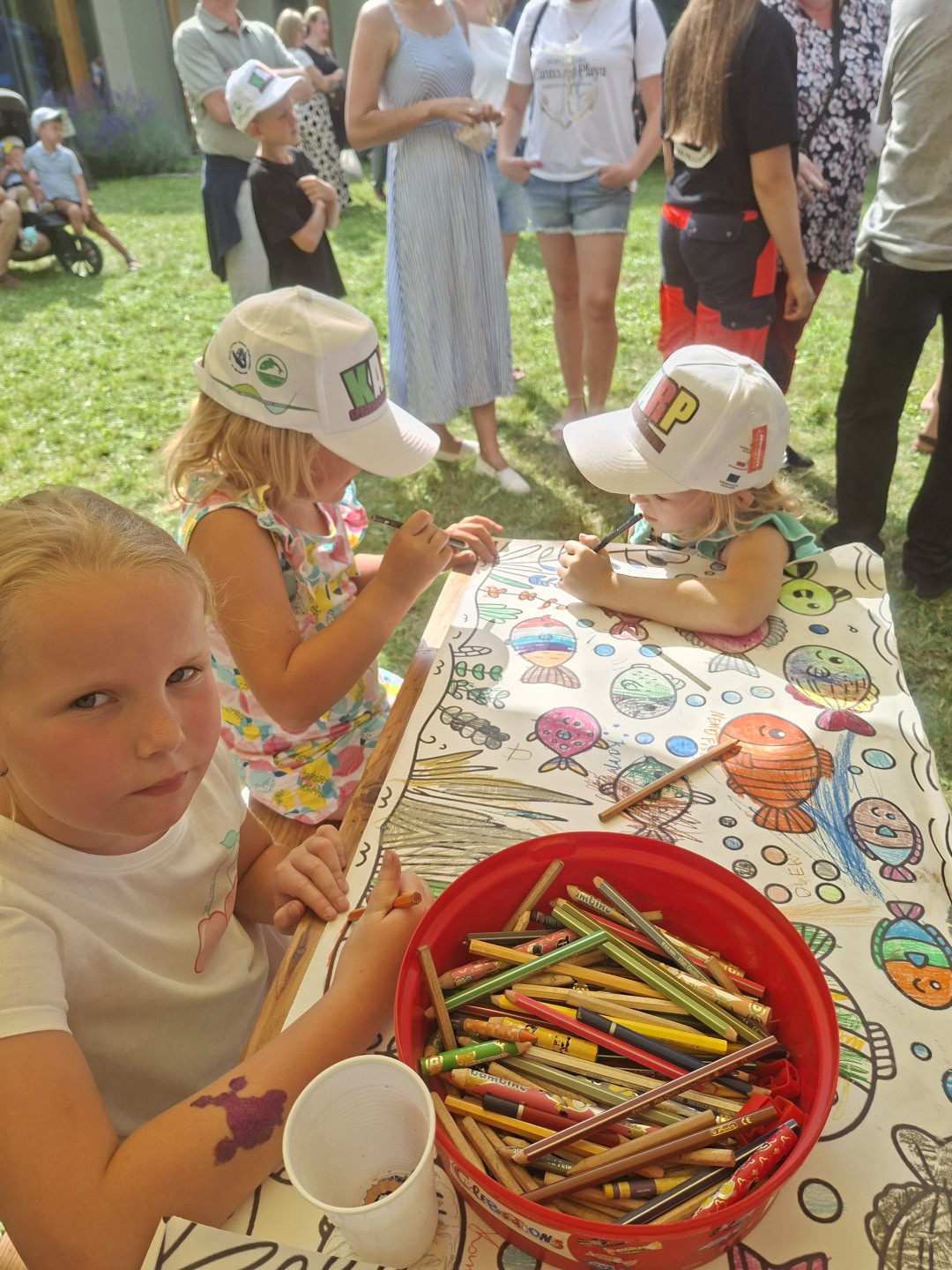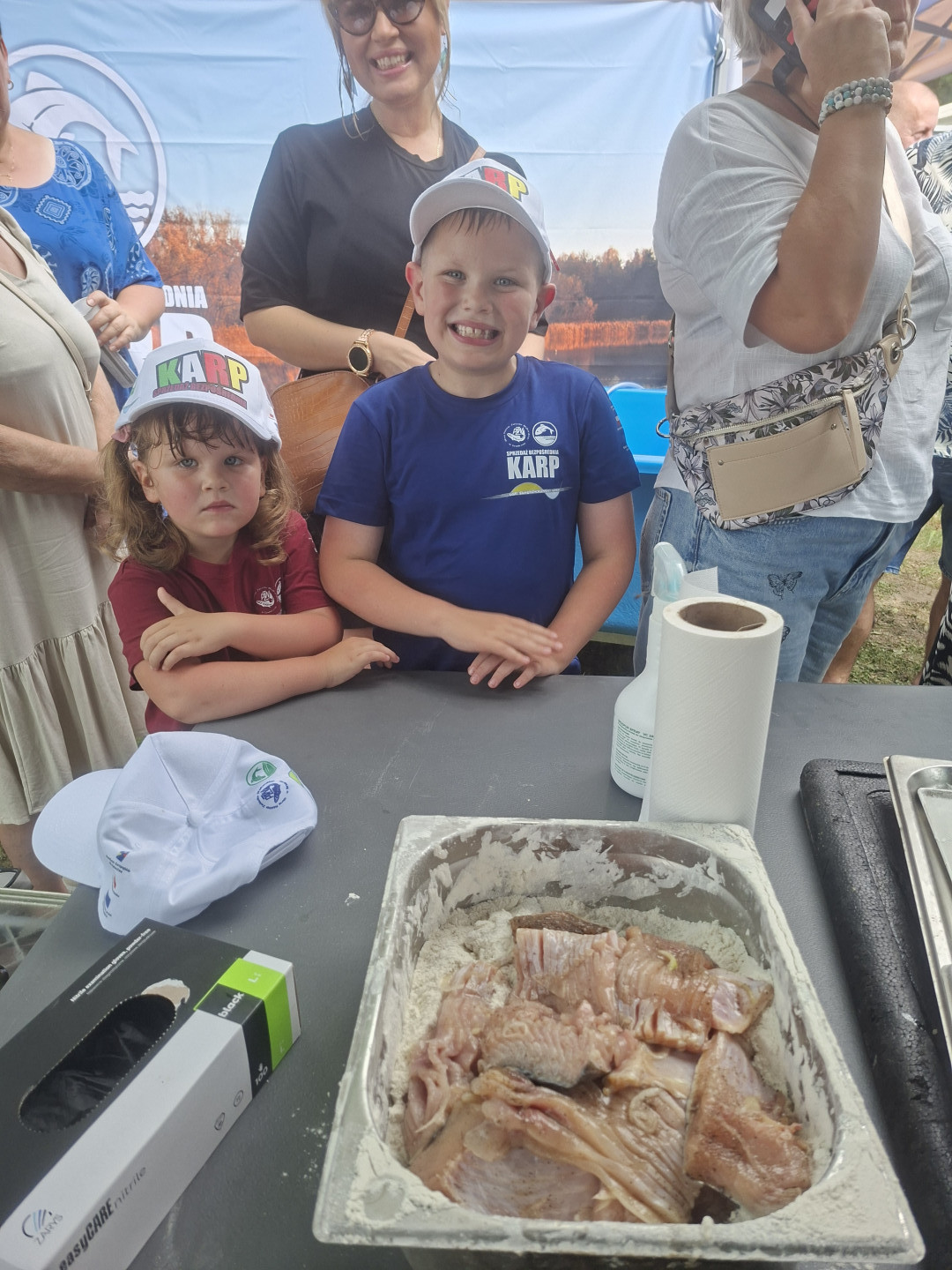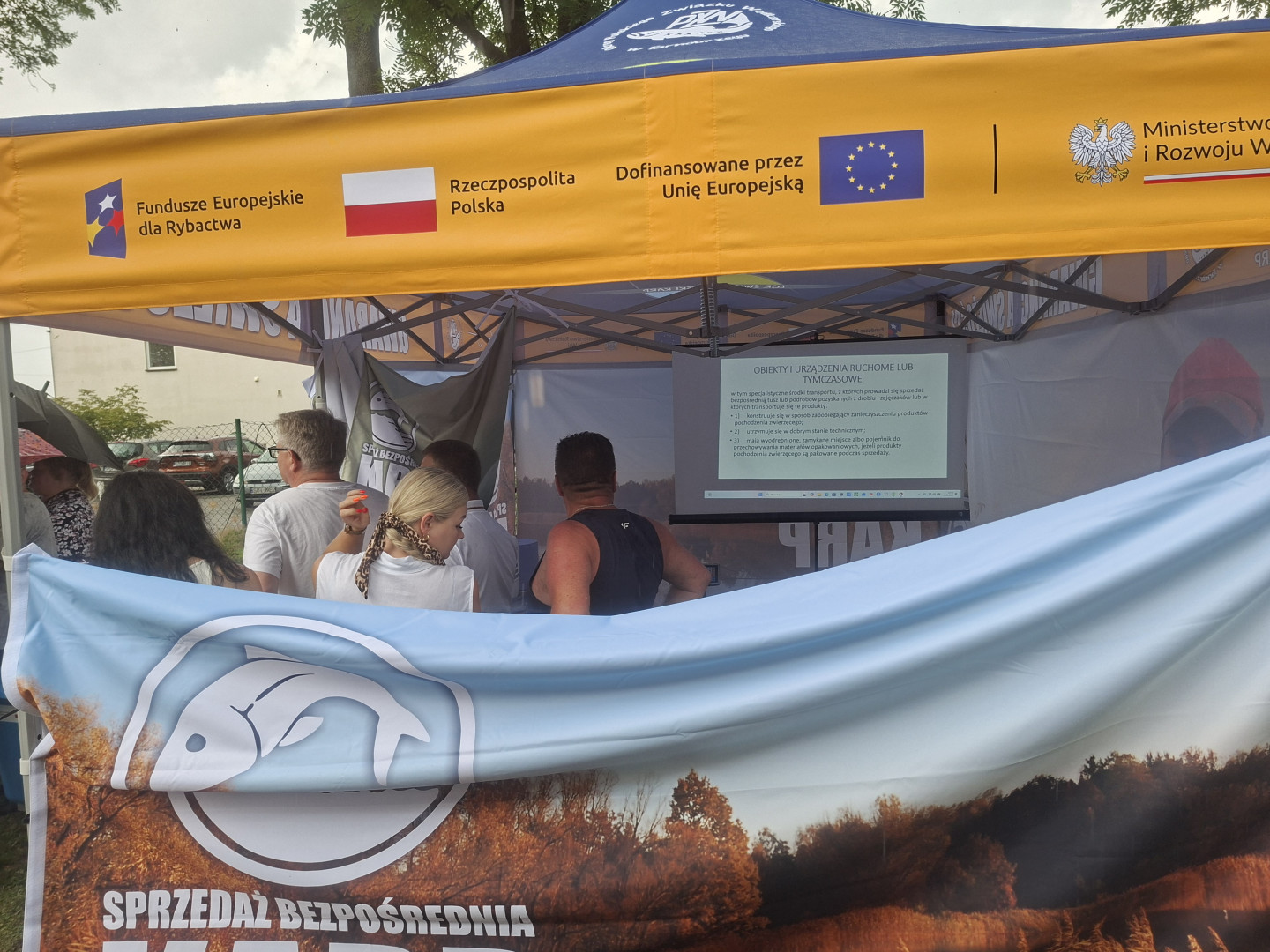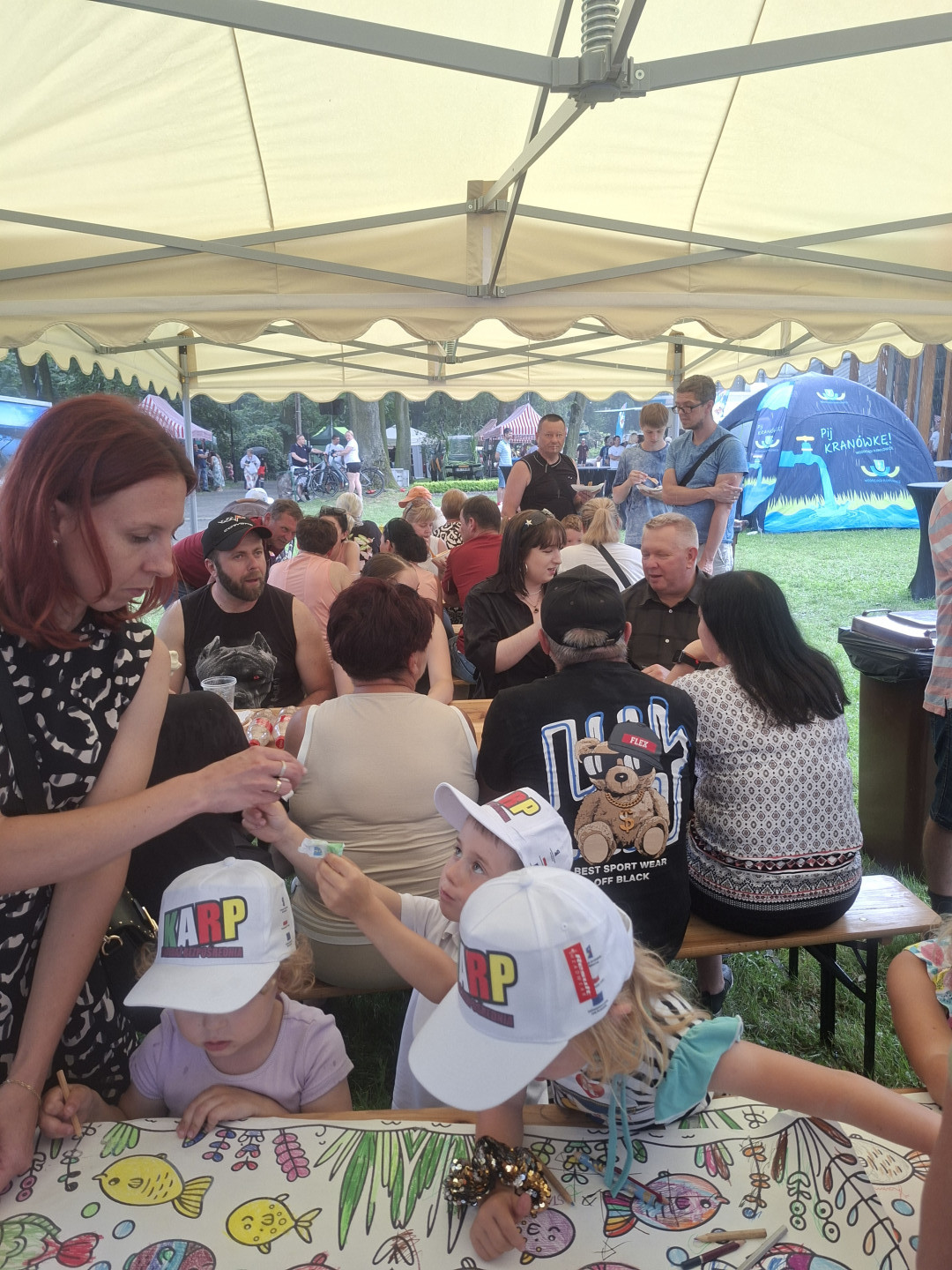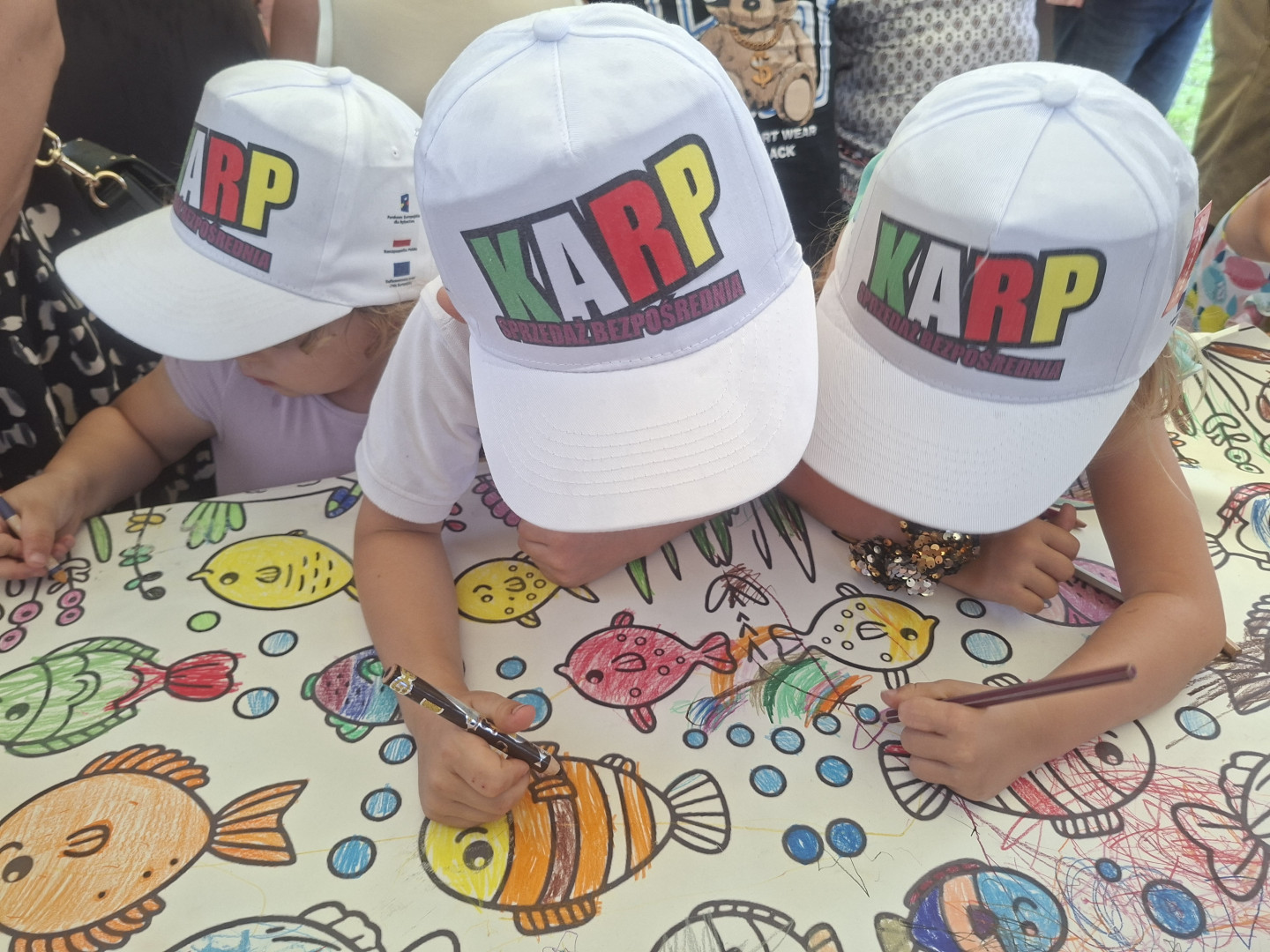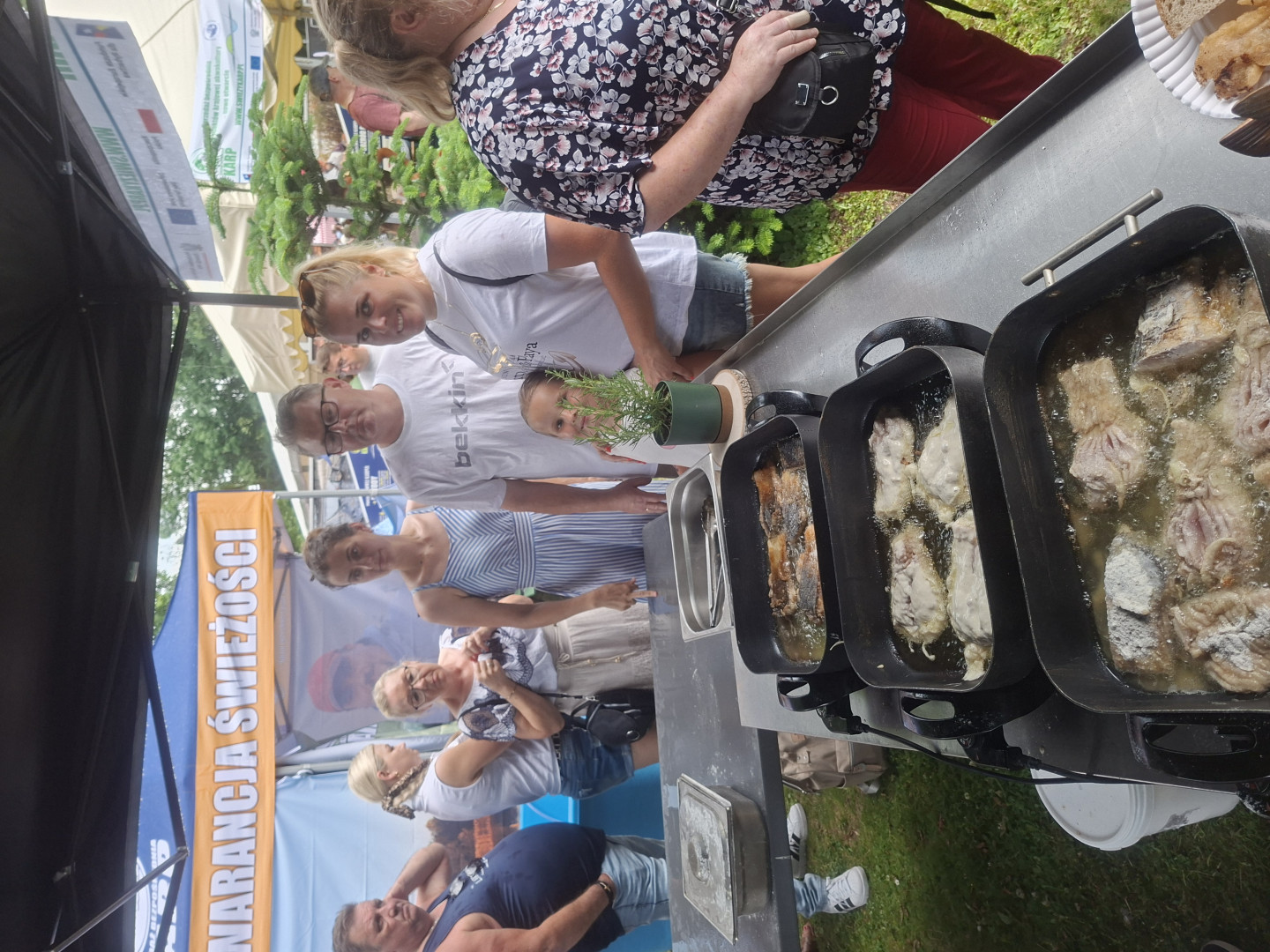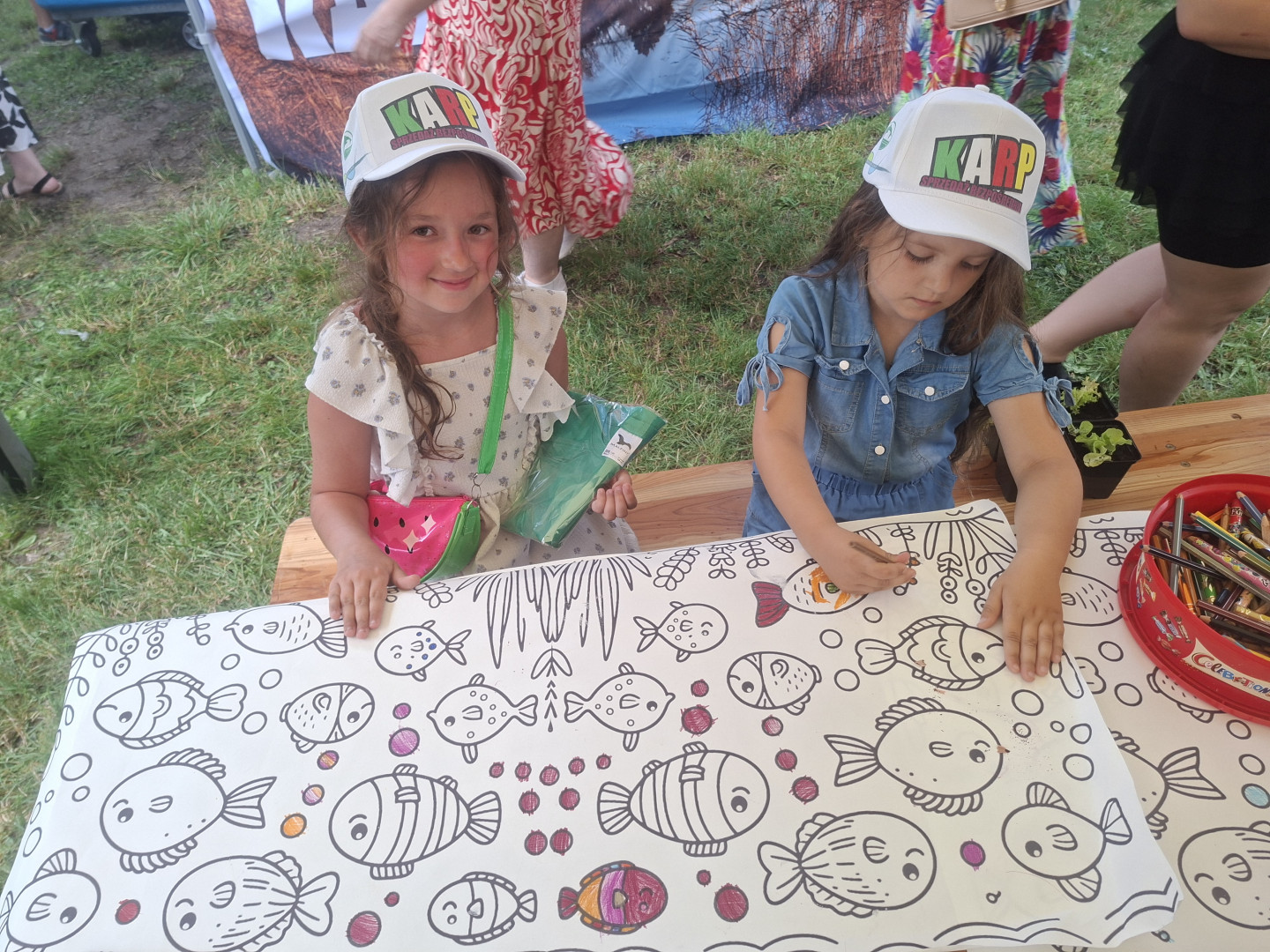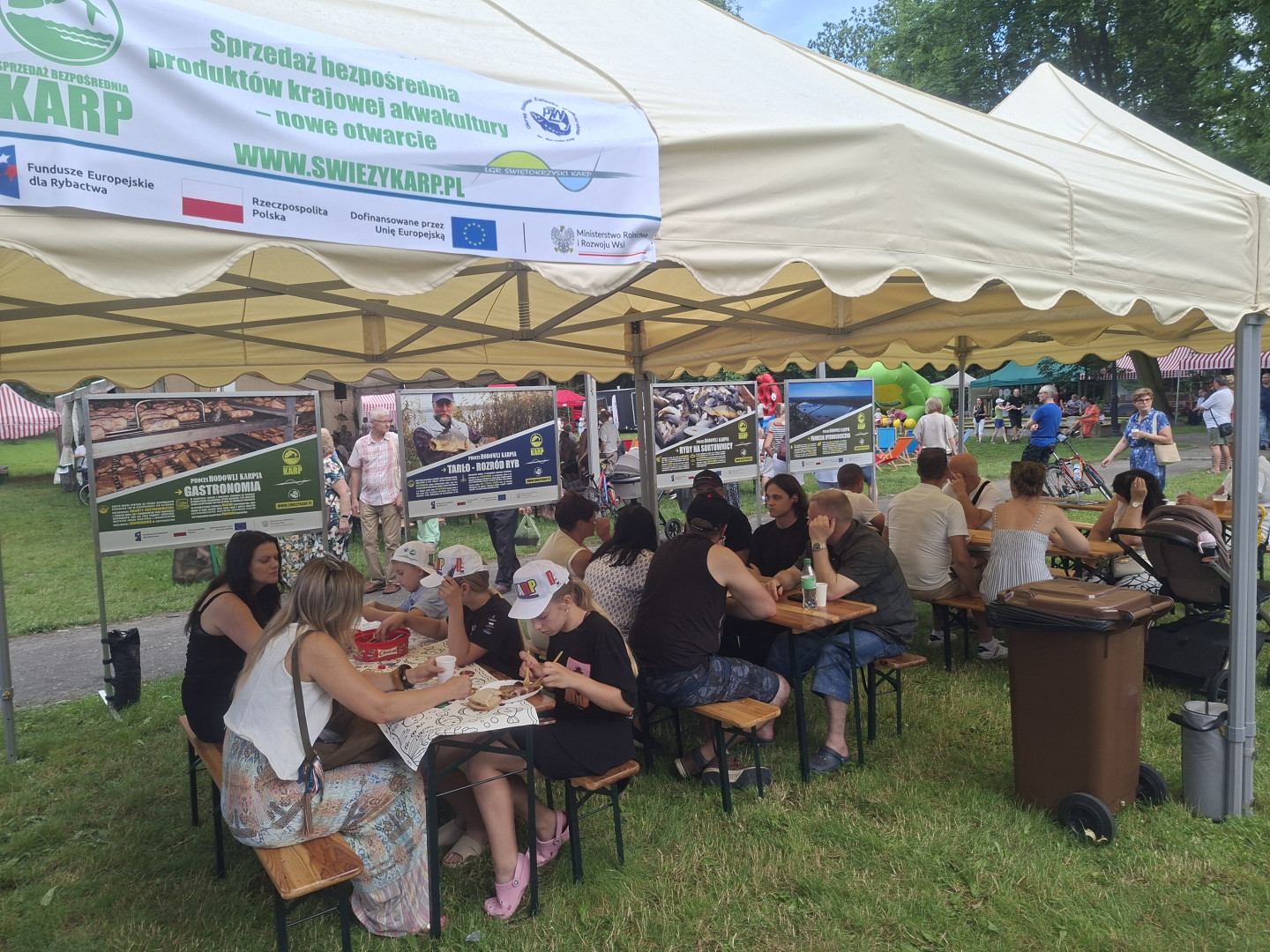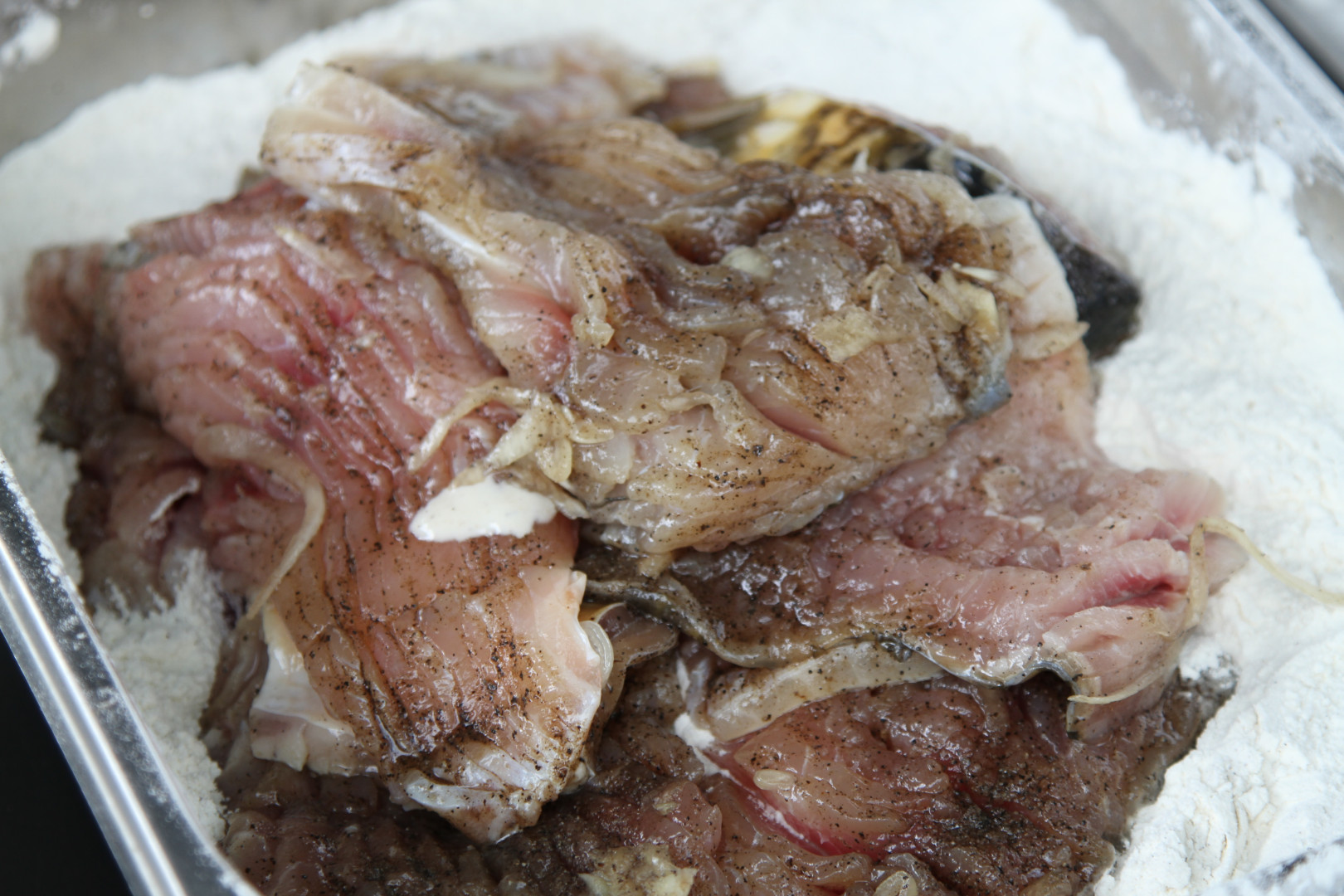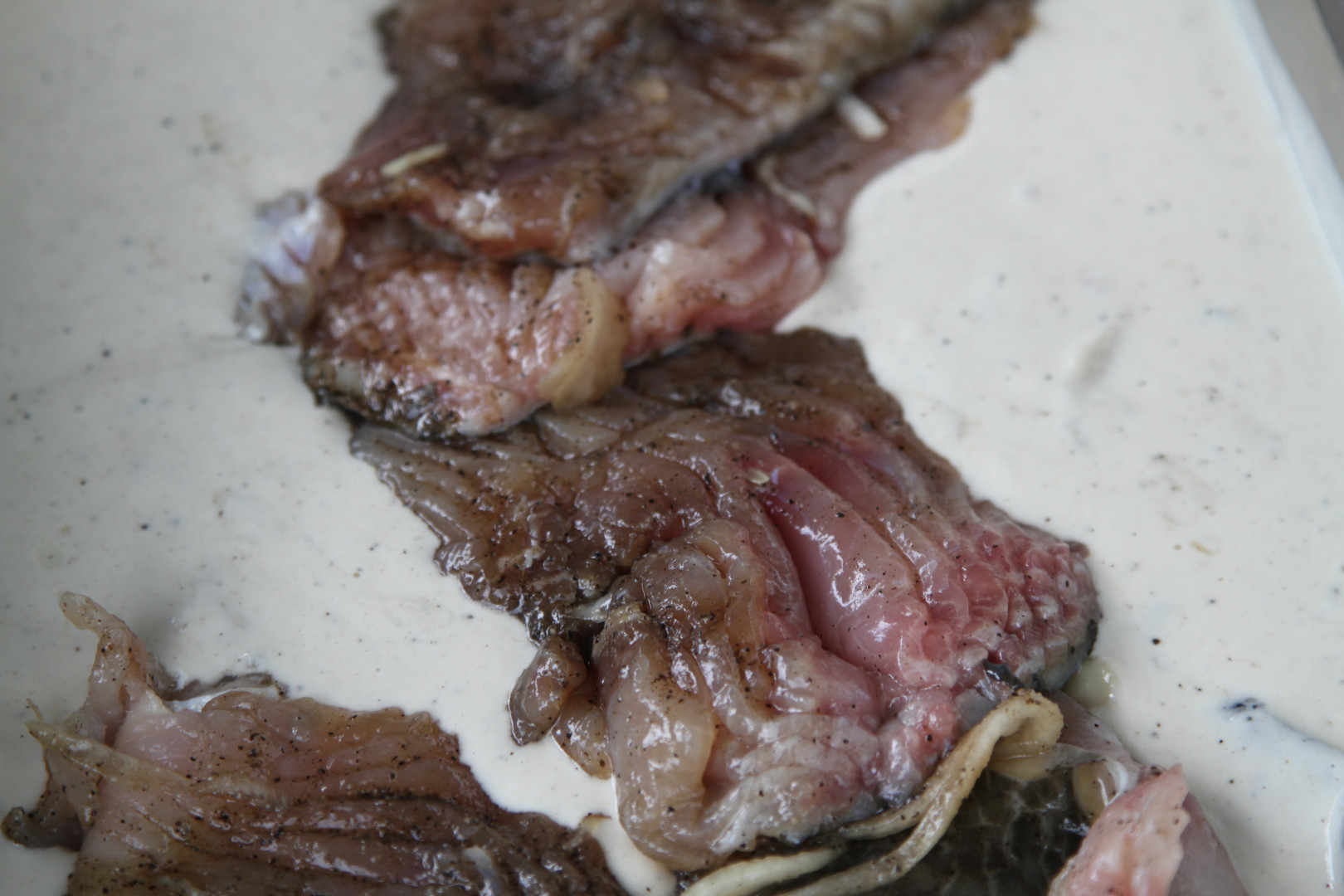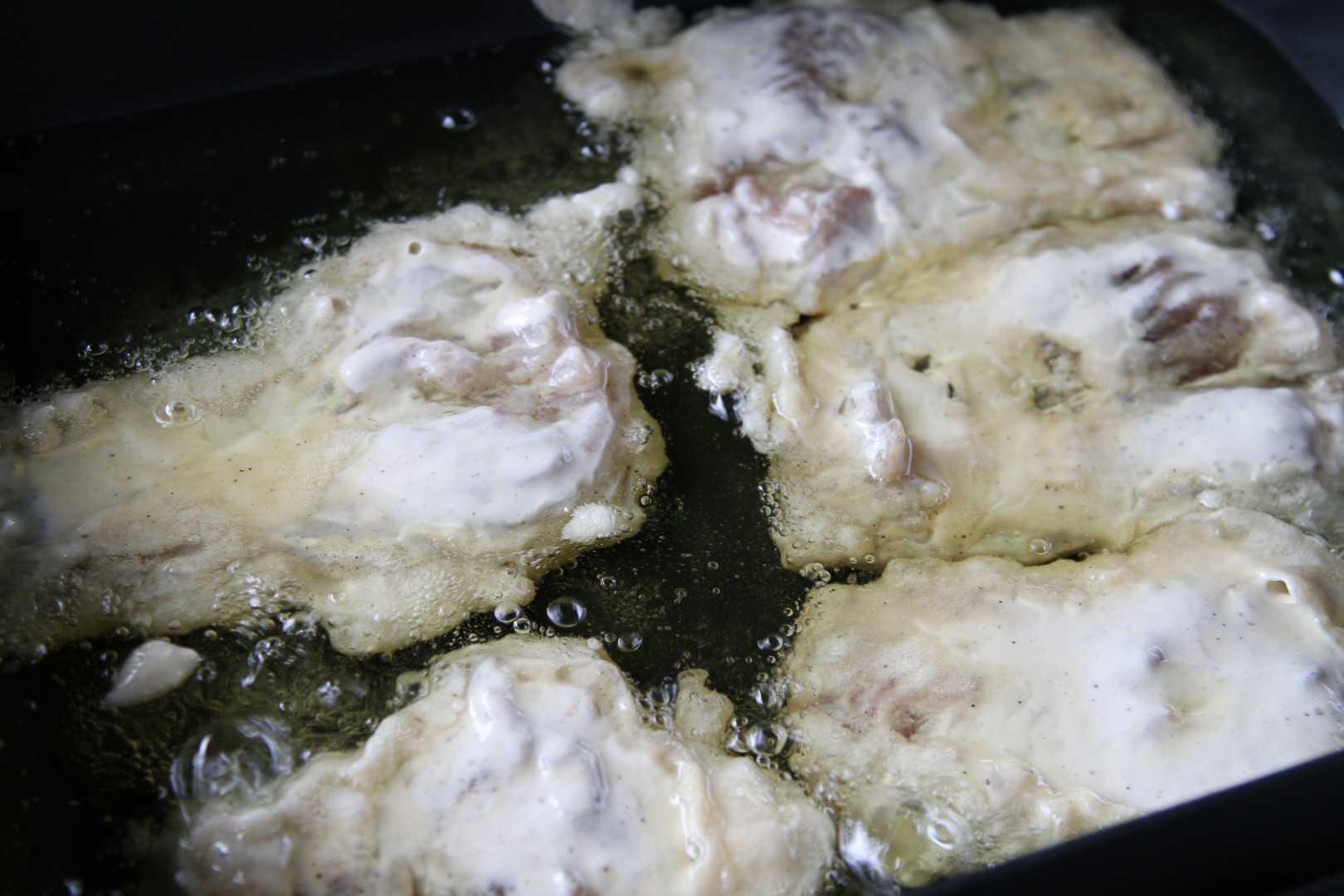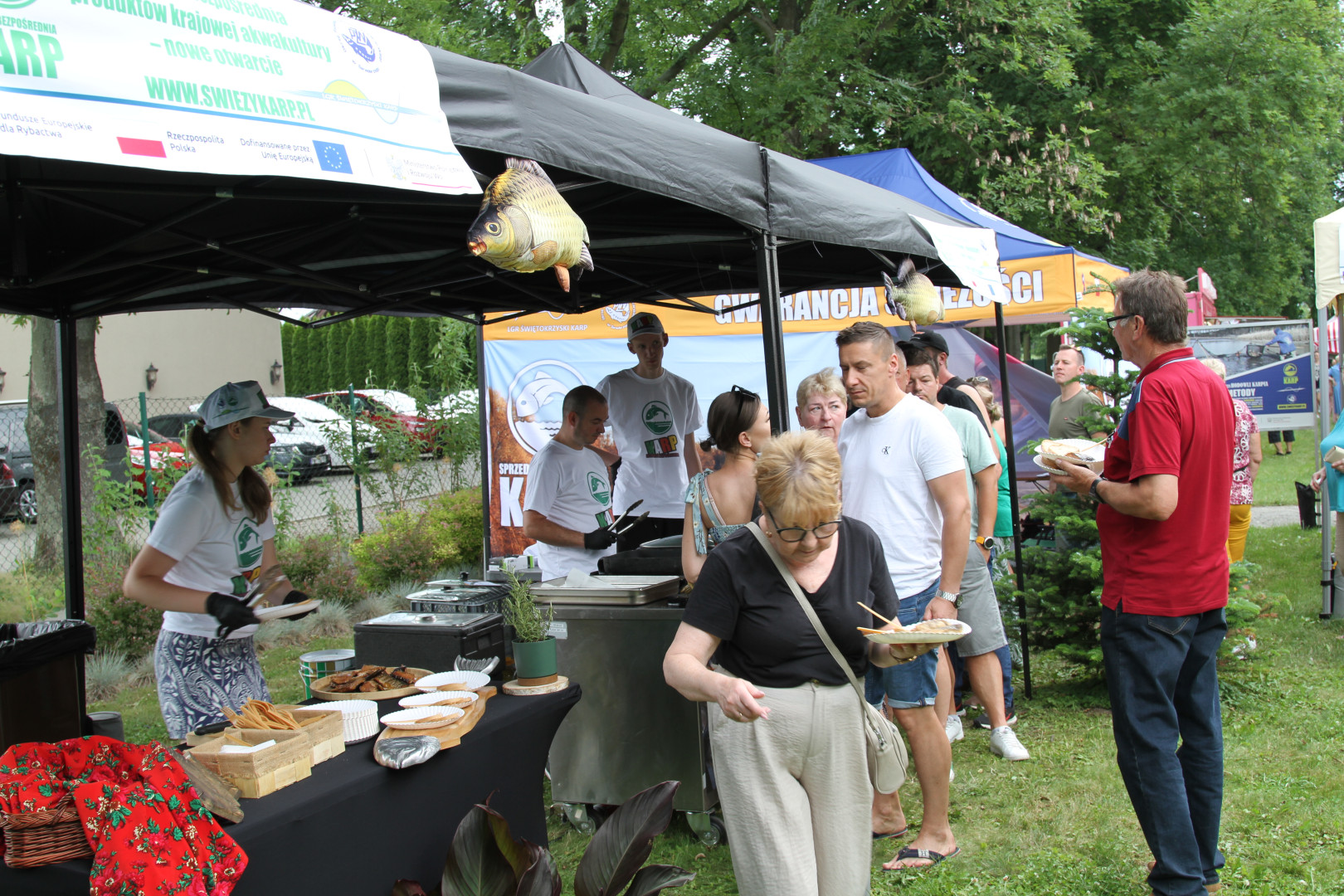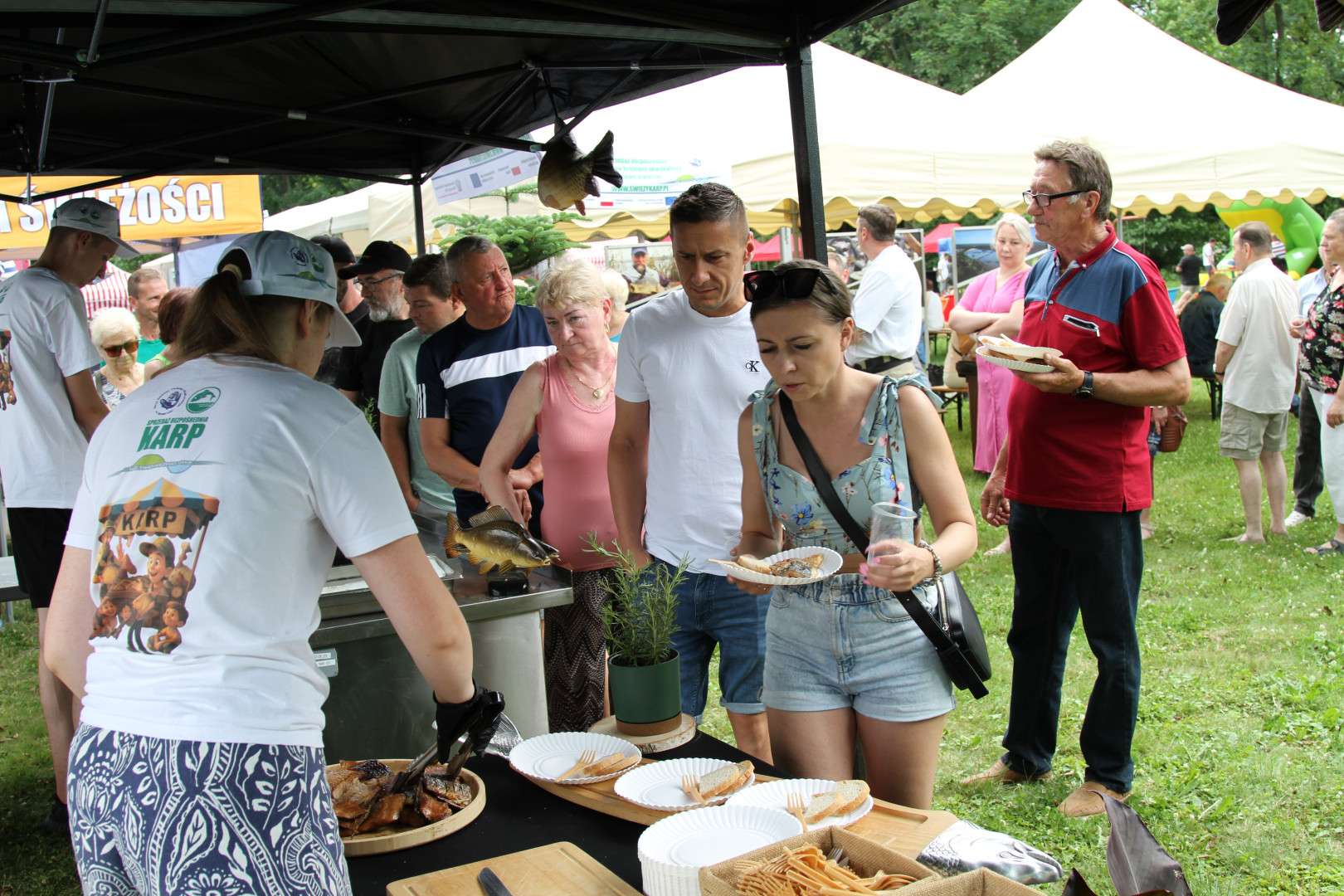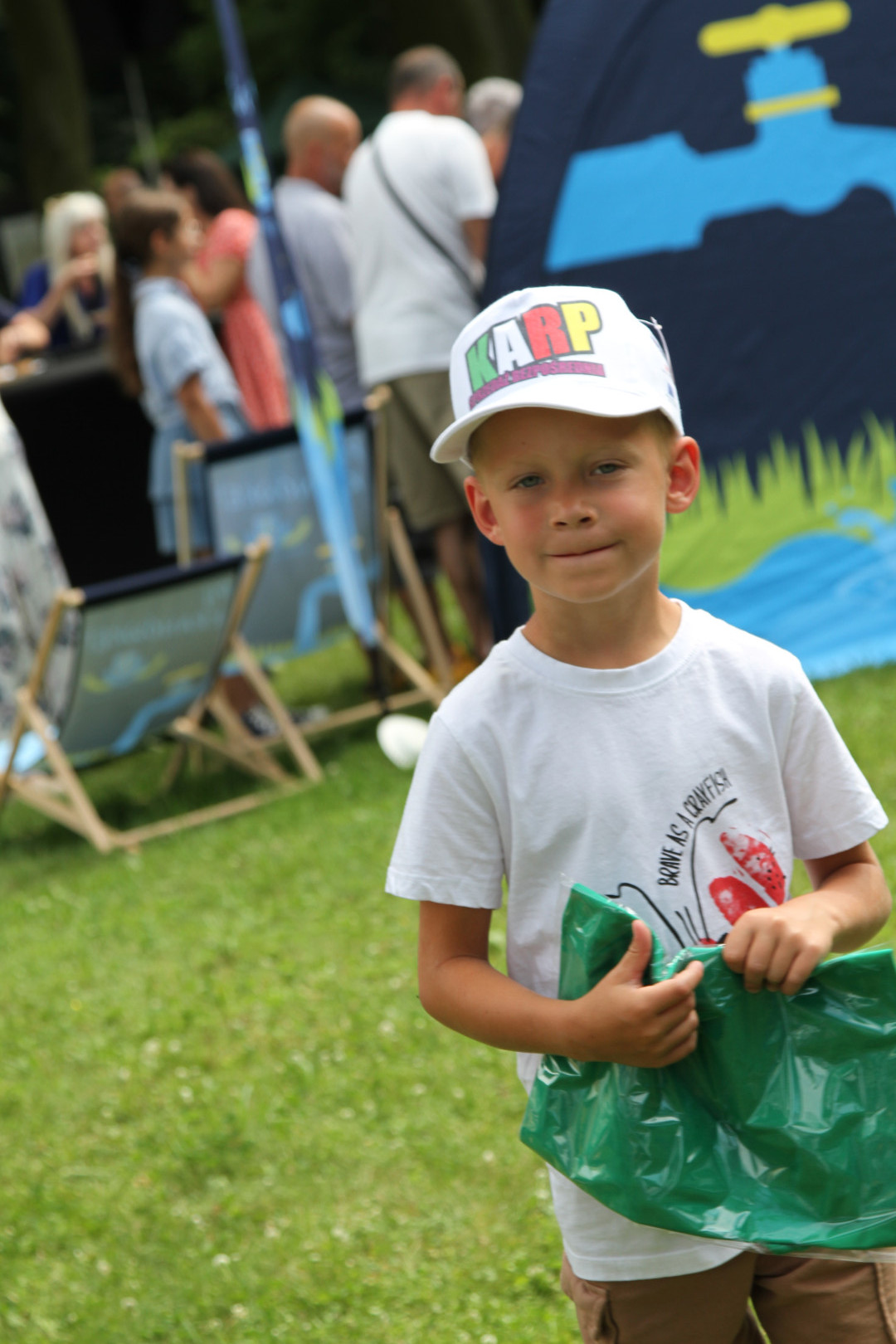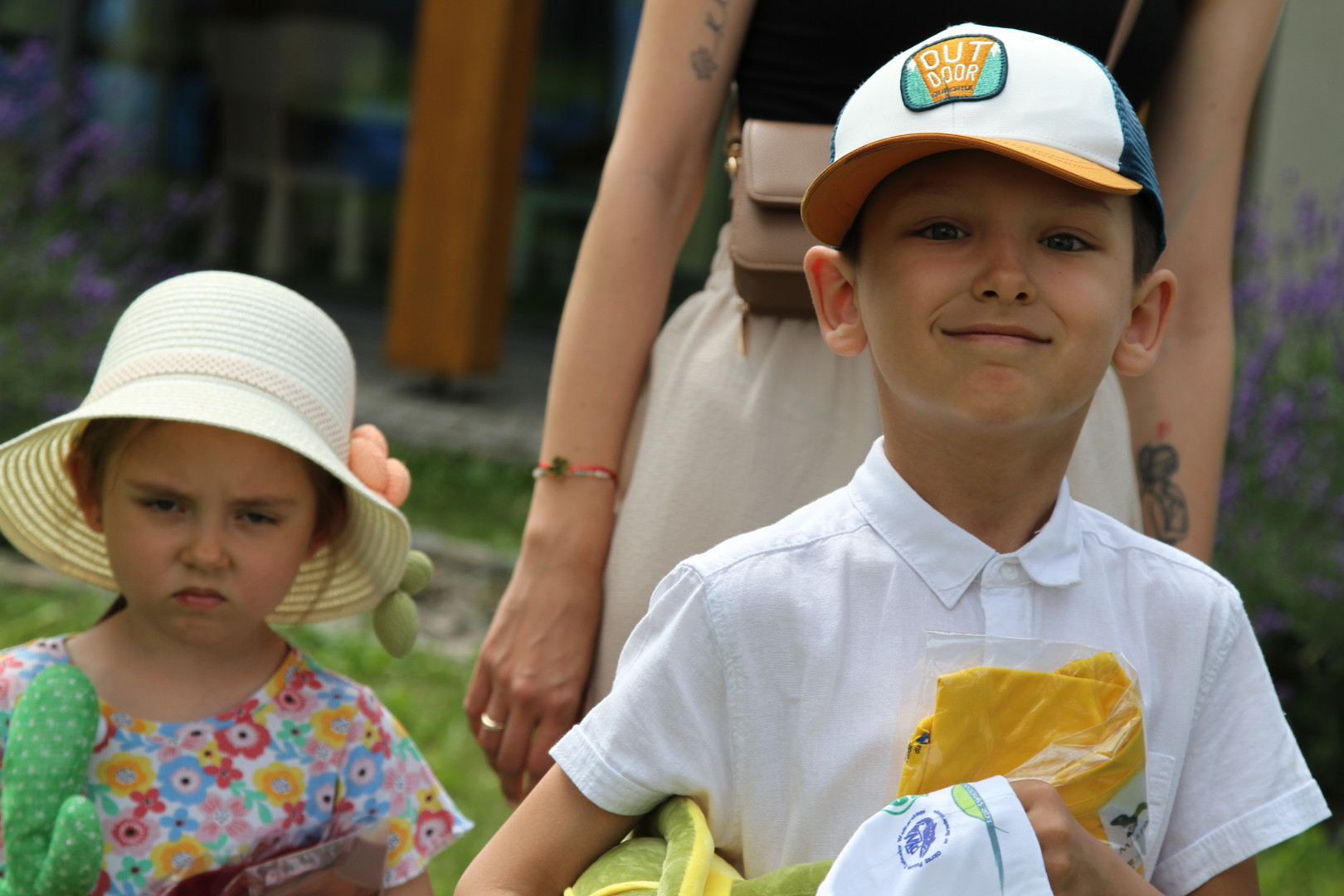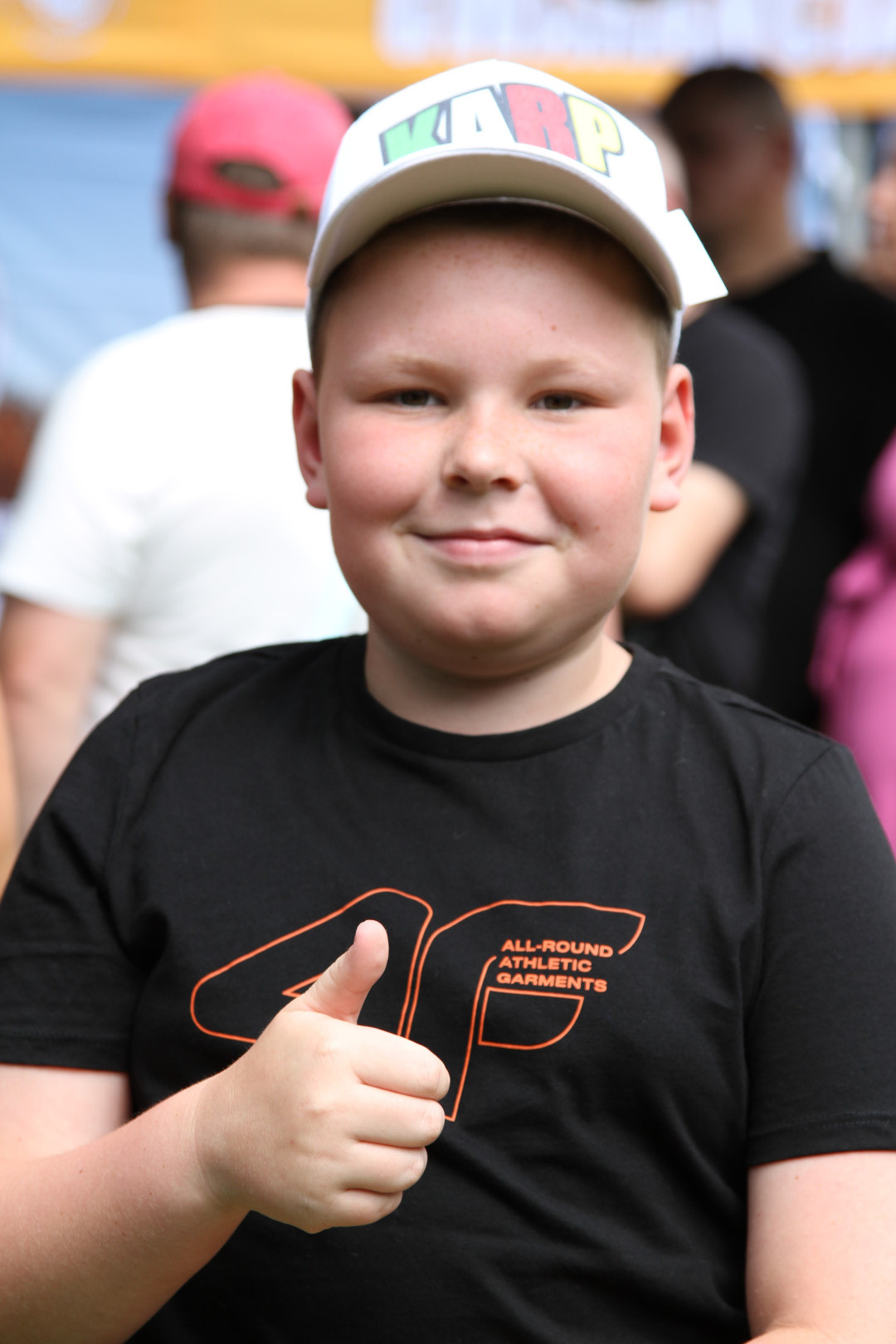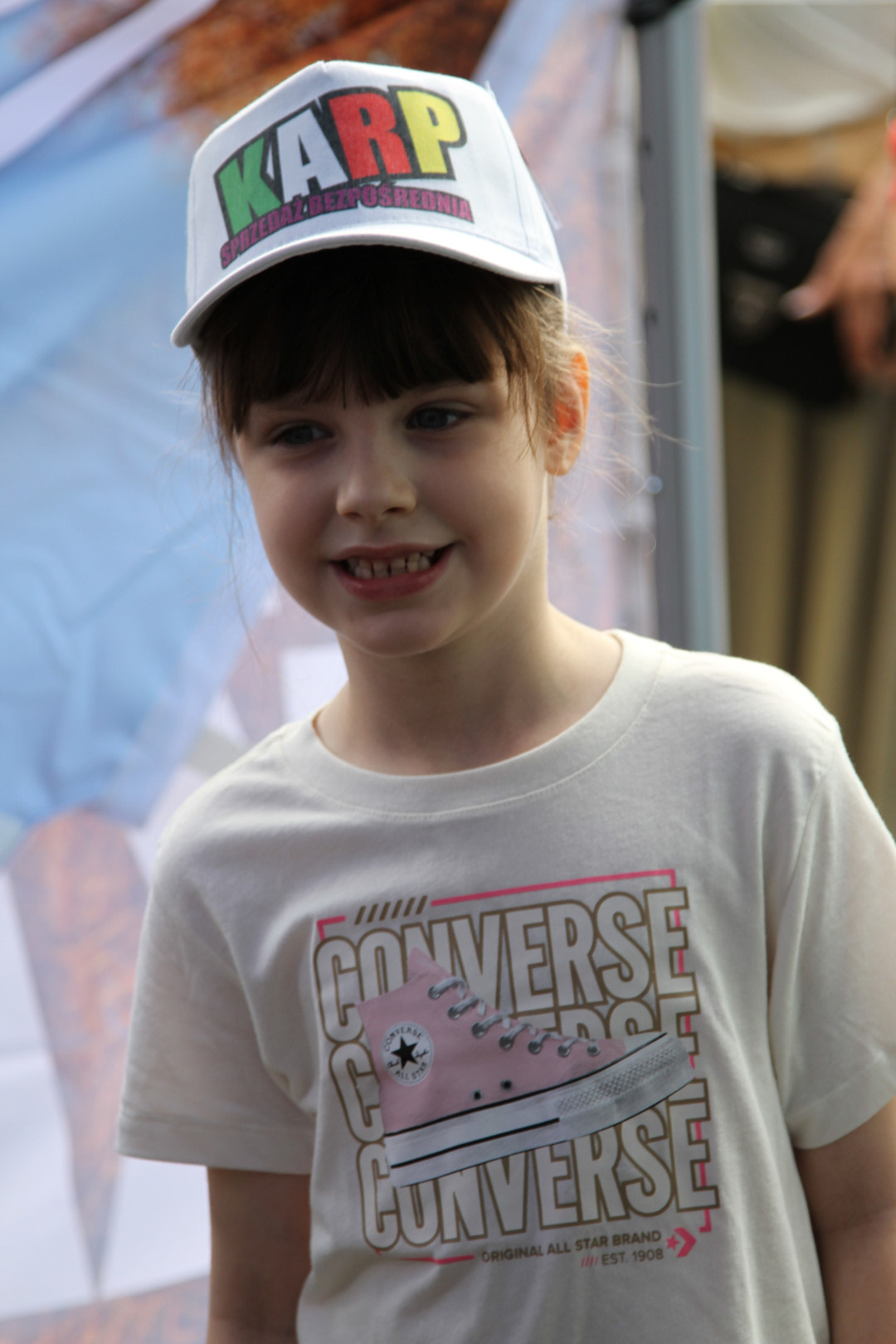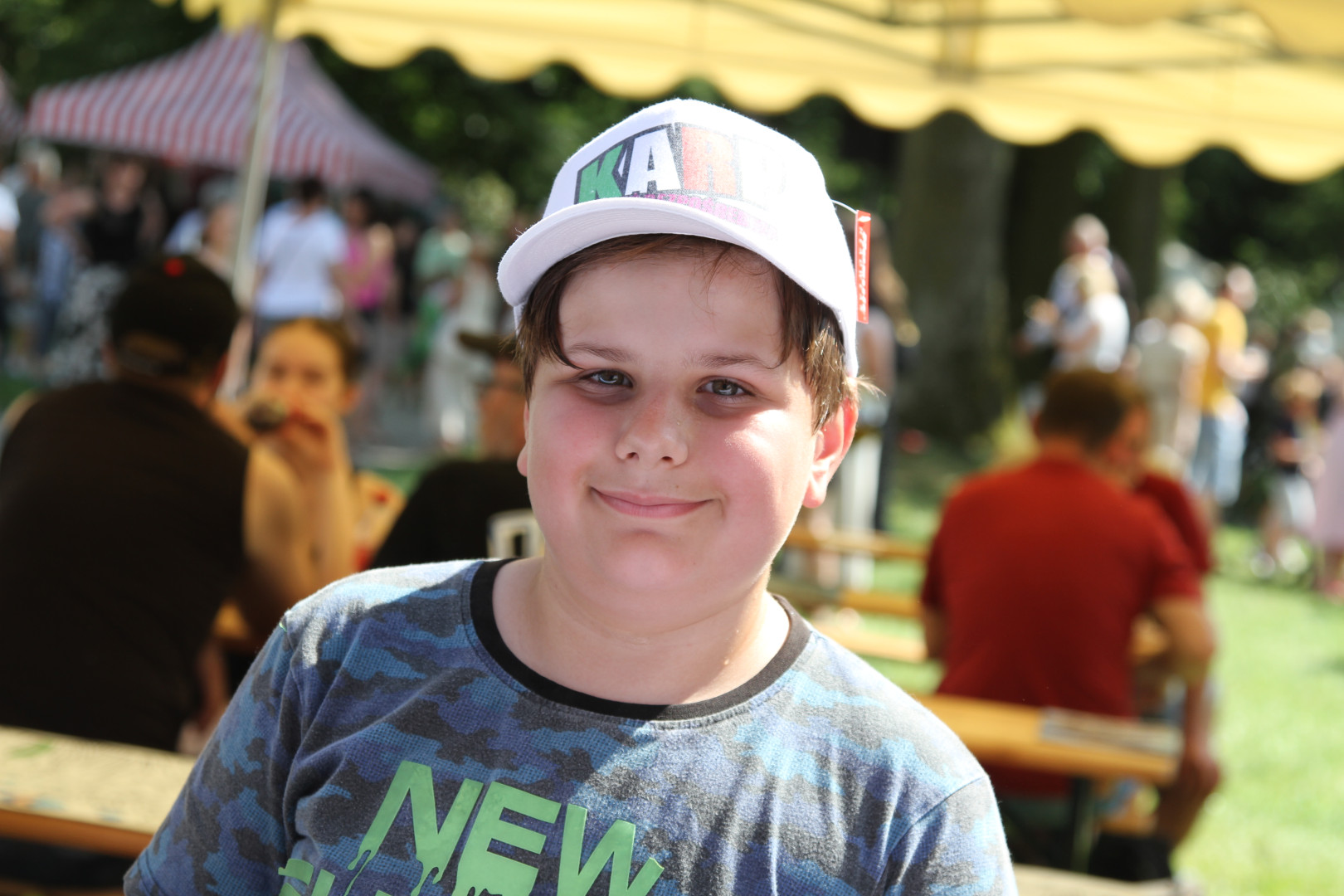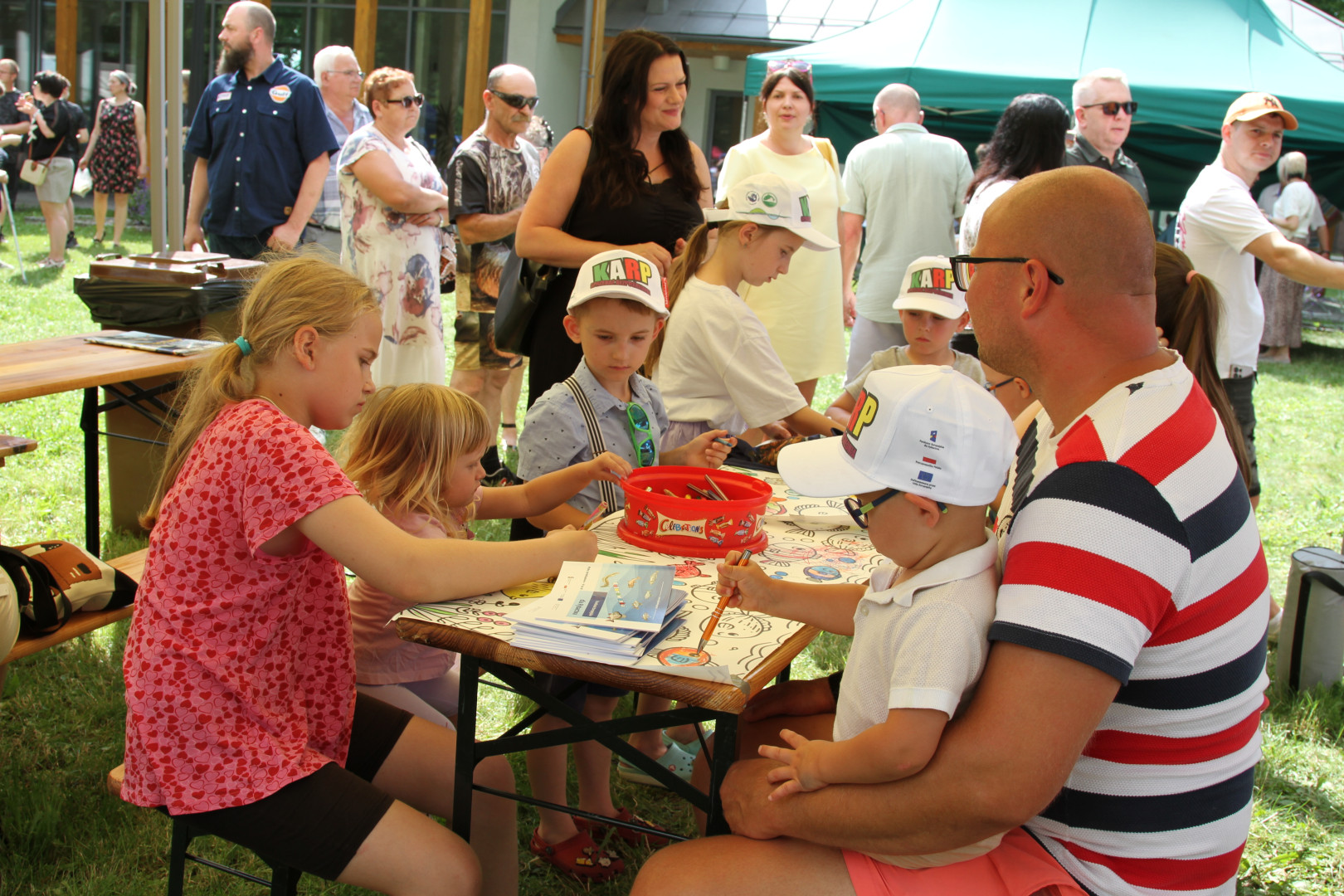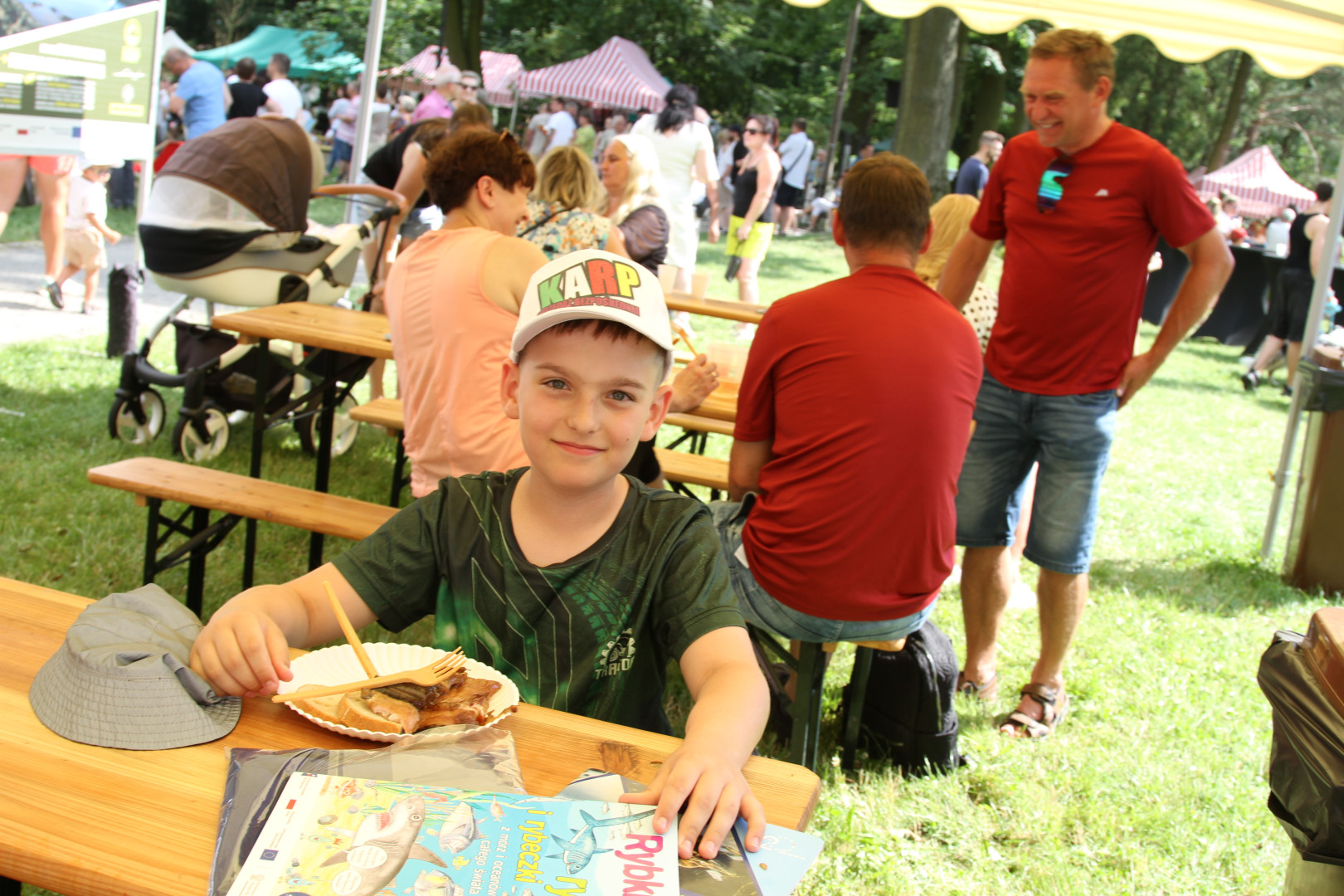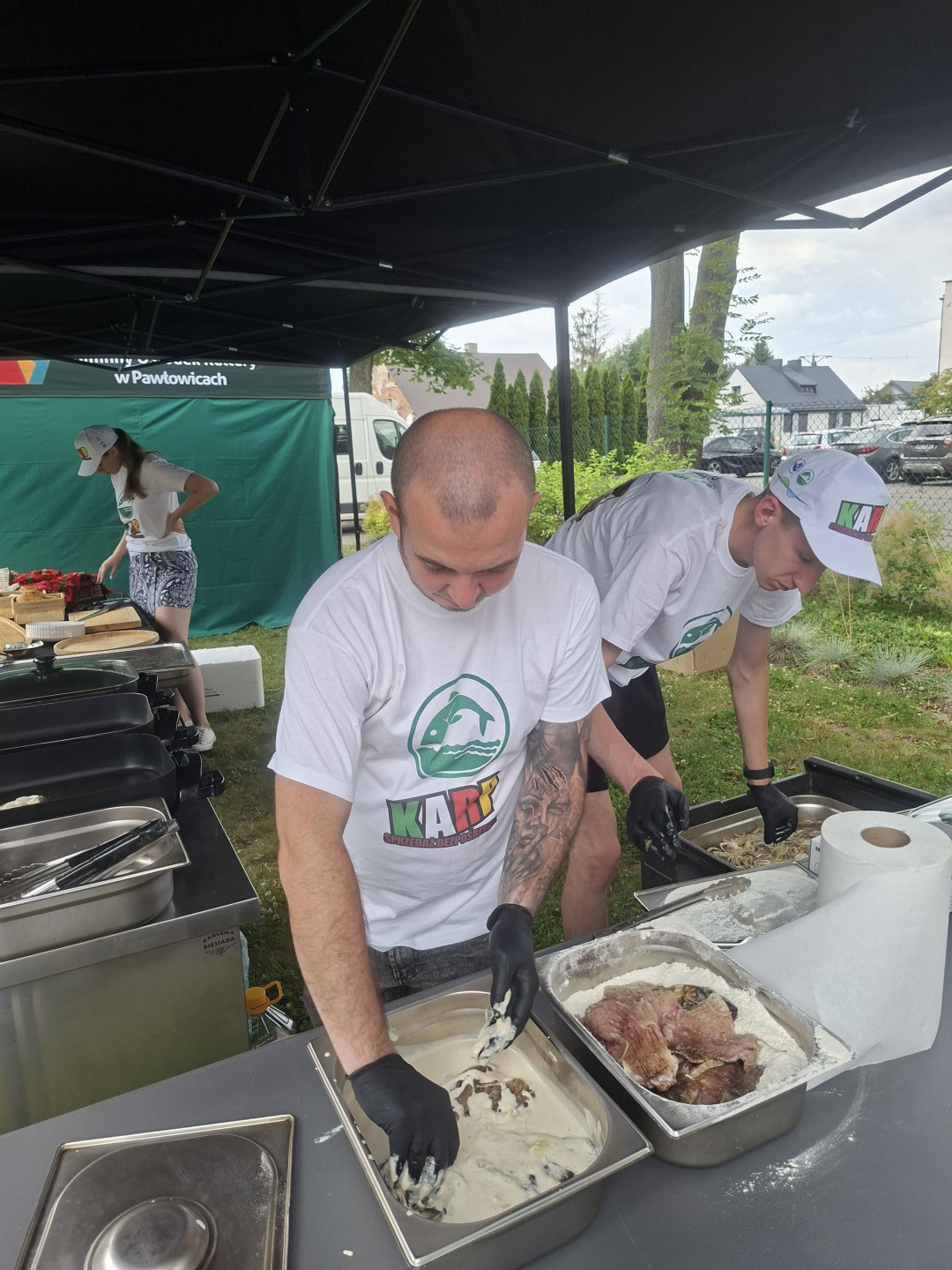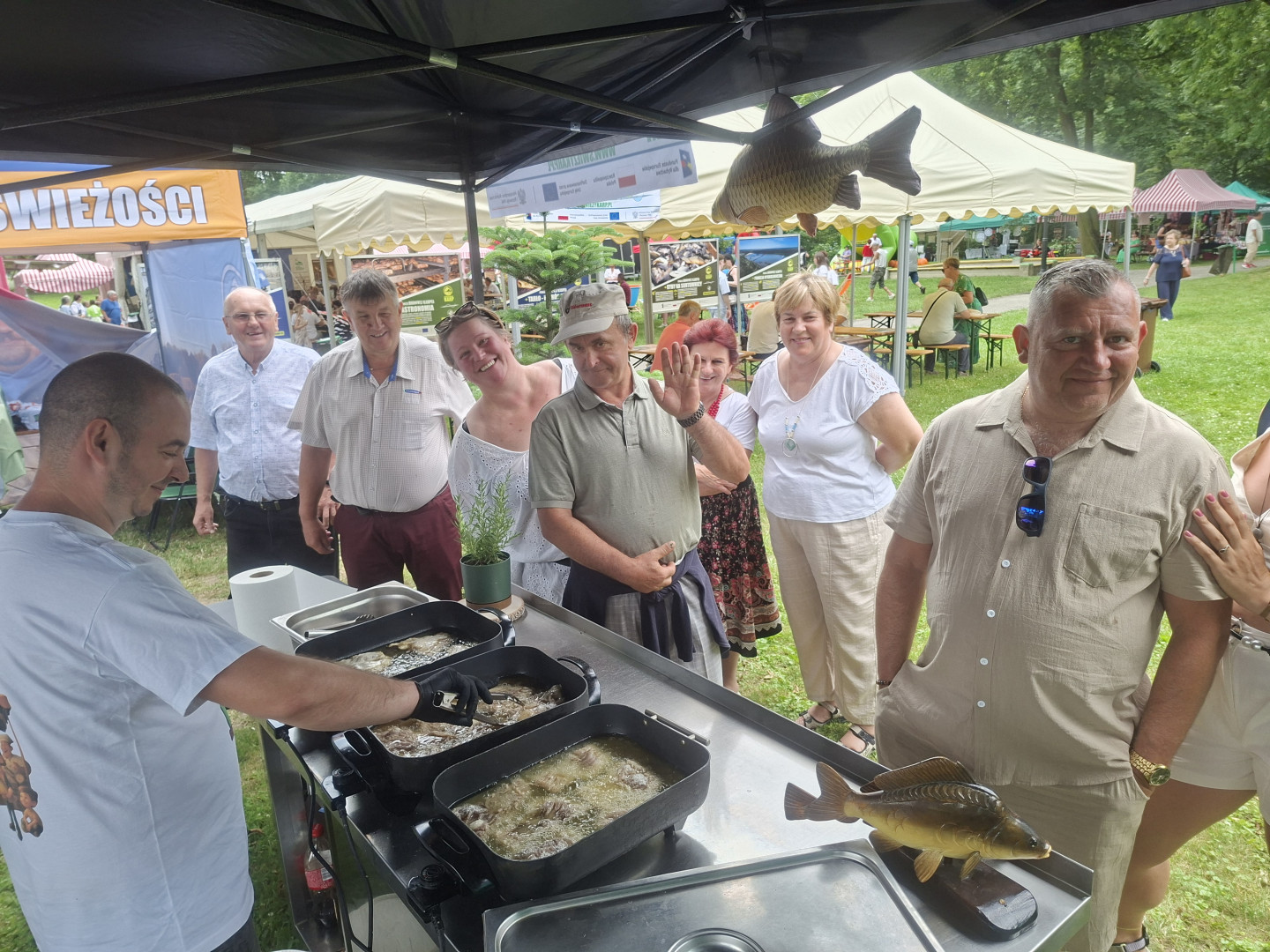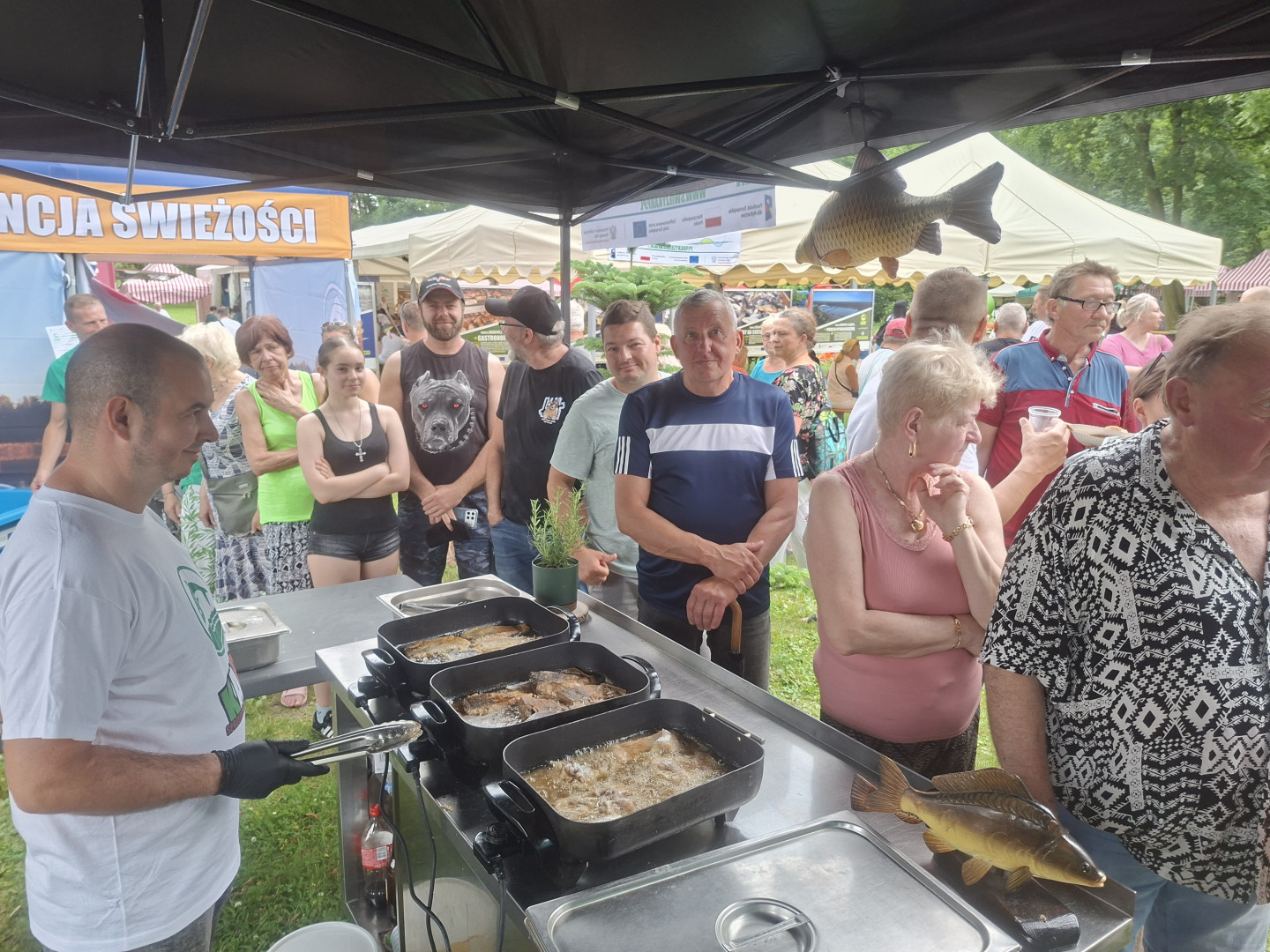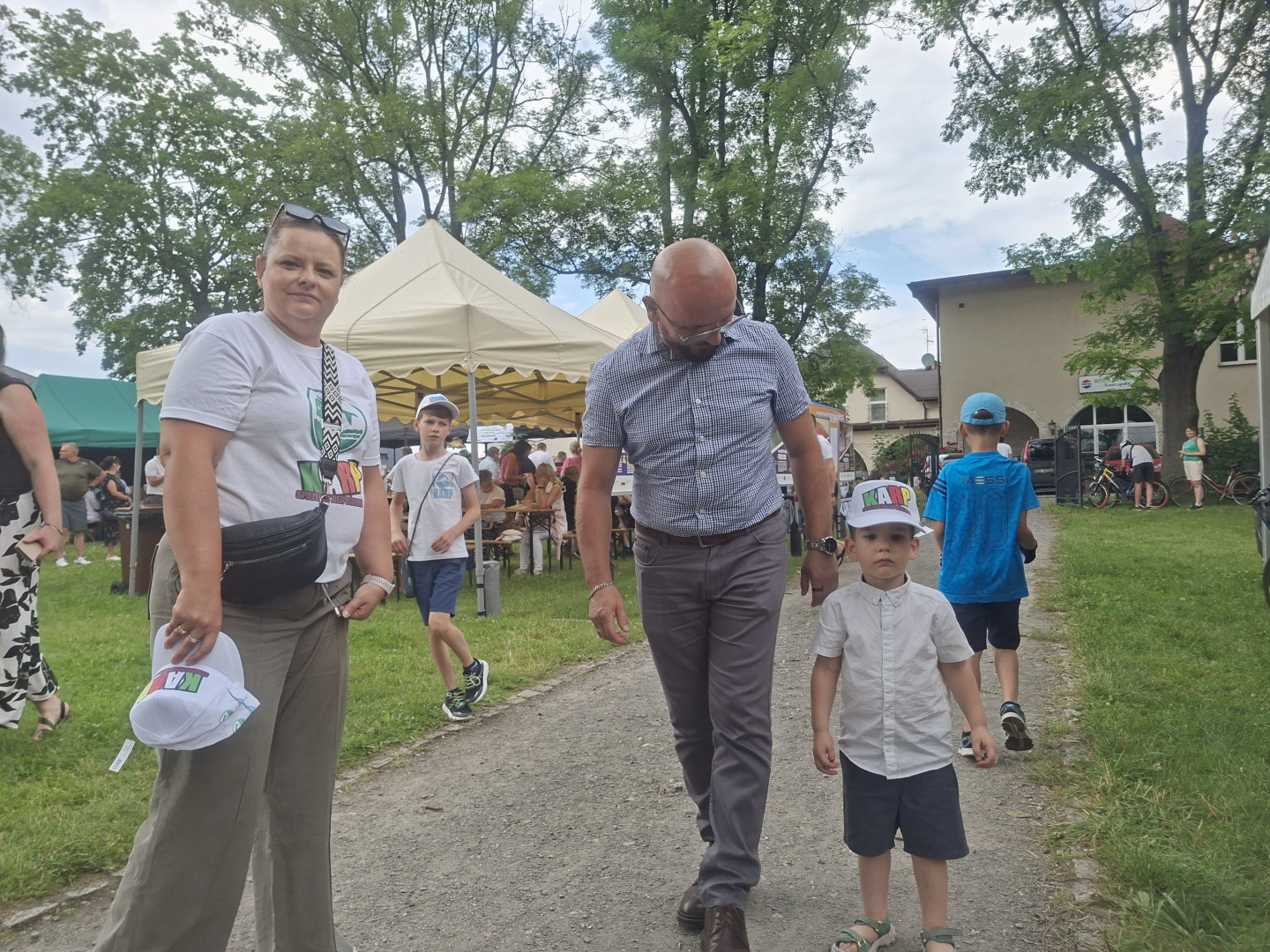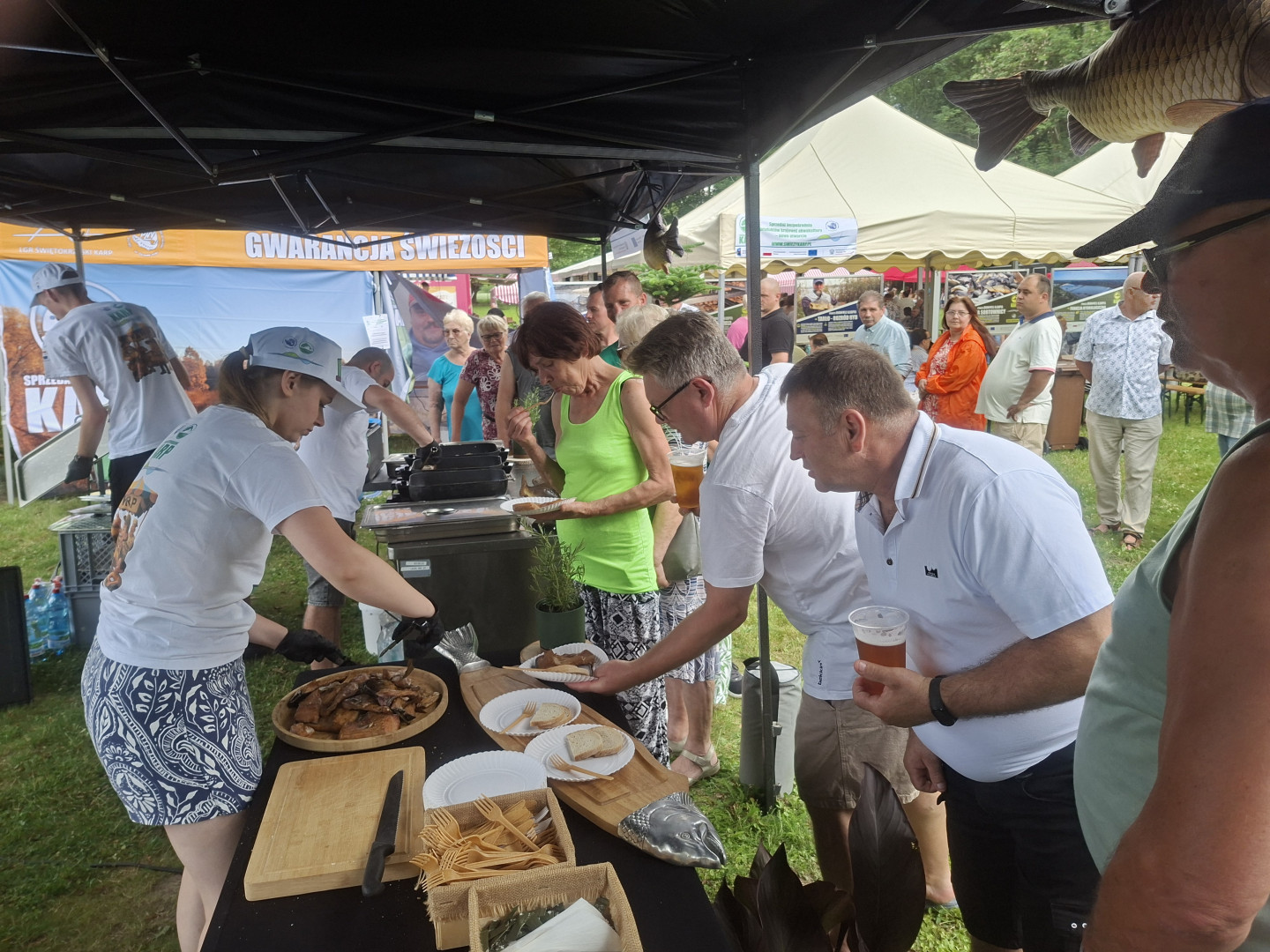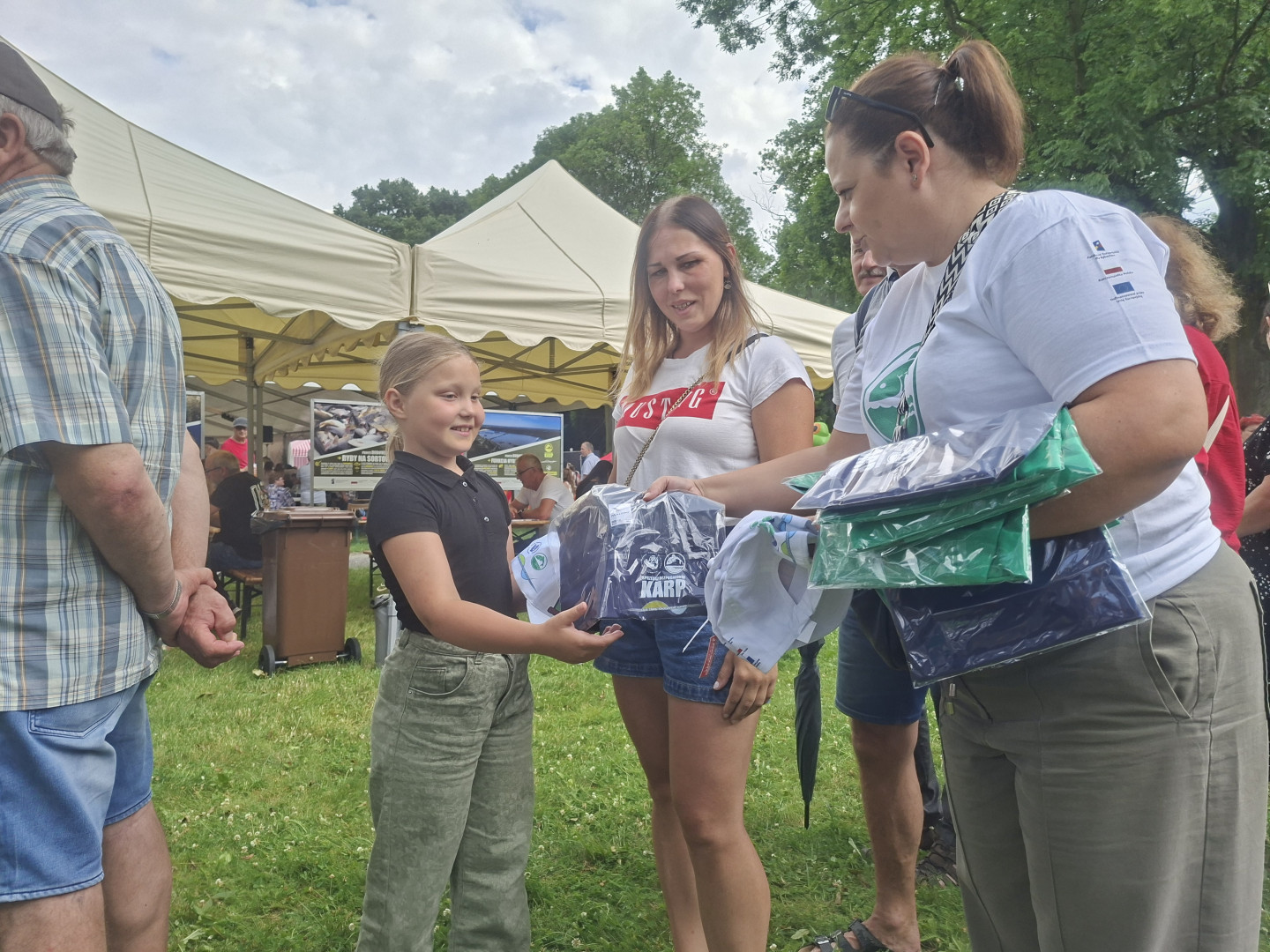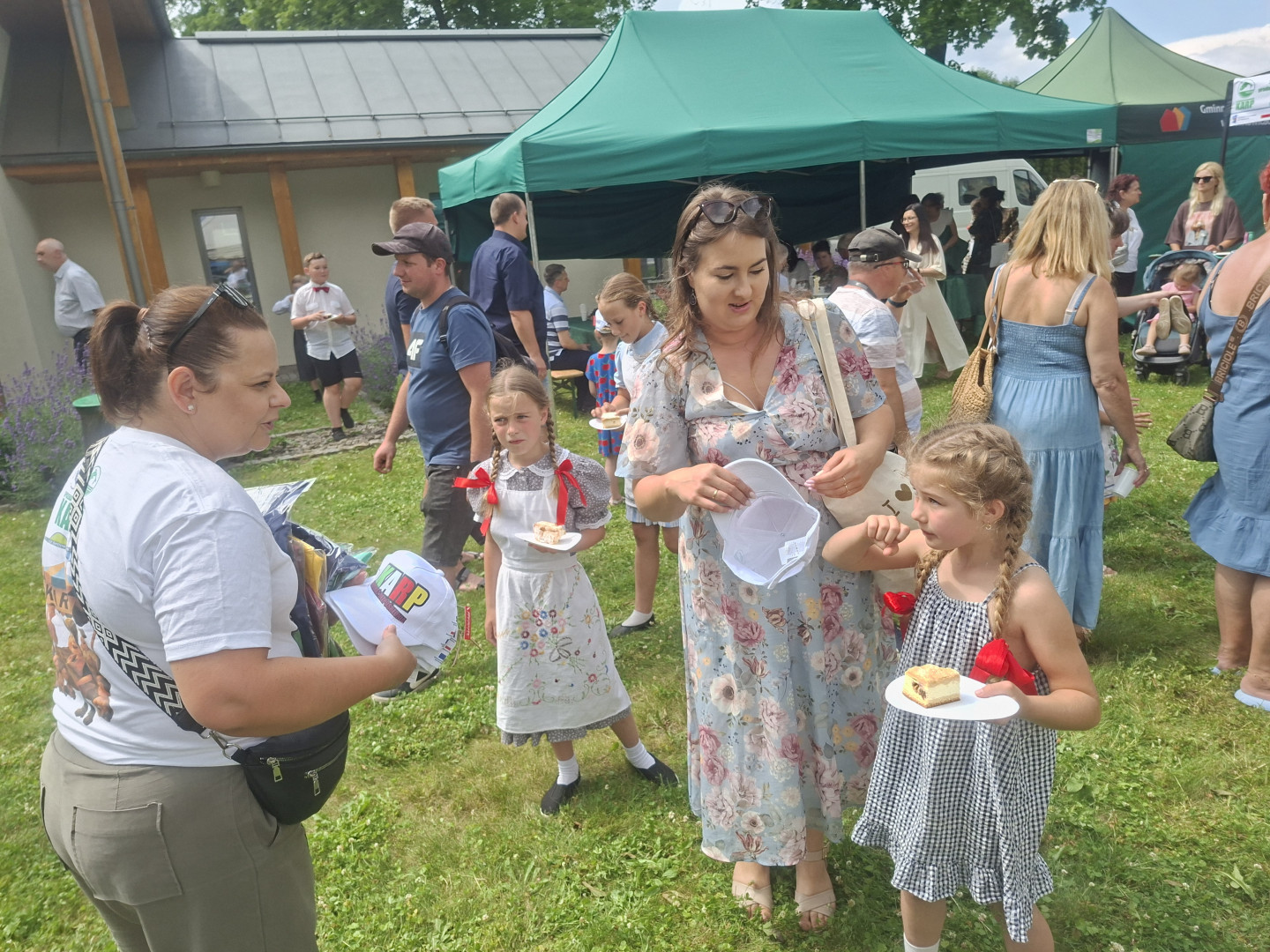

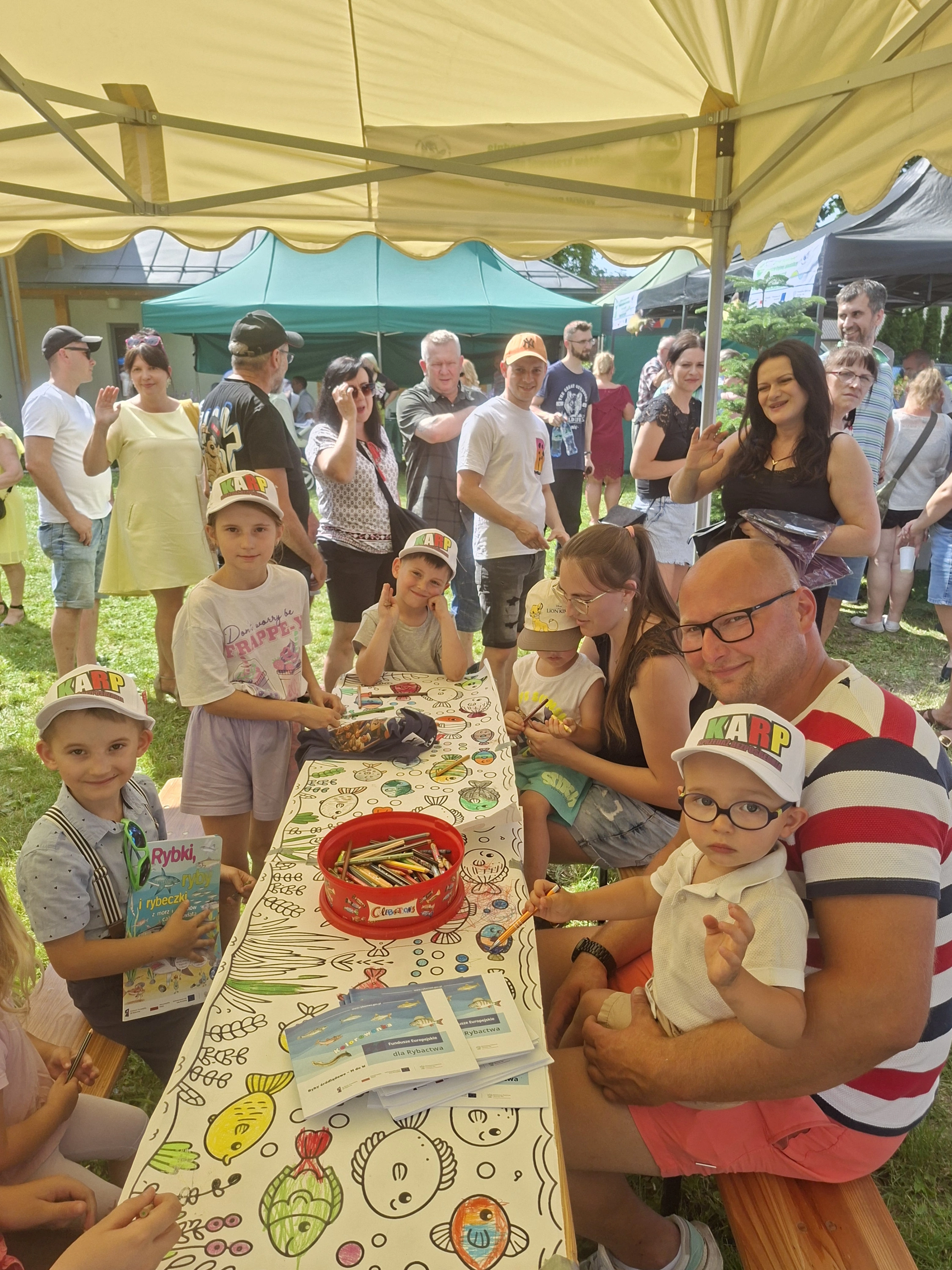
The events clearly demonstrate that carp can connect people, tradition, local cuisine, and a modern approach to fish sales. Such a place was the Silesian Carp Festival, which took place on June 21, 2026, in the park next to the Inhalatorium in Pawłowice. This event has already firmly established itself in the calendar of local events and attracts residents and guests from the whole region year after year. The organizers of this year's edition were the Fishing Association "Żabi Kraj,” the Silesian Agricultural Advisory Center in Częstochowa, and the Pawłowice Commune Office. Pawłowice is a particularly significant place for such a festival. It is located in a region where carp is not just a food product but a part of local identity. Silesian Cieszyn, the areas around Pawłowice, Skoczów, Zebrzydowice, and the so-called Żabi Kraj have long been associated with ponds, water, fish farms, and carp breeding traditions. That is why, here, the conversation about direct sales takes on very practical importance — because it relates not to theory but to real farms, real consumers, and the real journey of fish from producer to table. As part of the project "Direct sale of domestic aquaculture products – a new opening," we prepared our outdoor base not only to participate but, above all, to show how modern, clear, and safe direct fish sales can look. Next to well-known elements — frying, serving portions, informational materials, and outdoor boards — there appeared a very important point: a model direct sales booth. We wanted visitors to see in practice that direct sales is not just a random table with a product. In our tent, it was possible to see how such a booth can function in outdoor conditions — clear, practical, and in accordance with the idea of direct sales of domestic aquaculture products. A significant supplement was a presentation concerning direct fish sales, displayed inside the booth. Thanks to this, our activities were not limited to just showcasing the preparation of carp dishes and tastings. Interested people could stop for longer, listen about the rules of sales, requirements, booth organization, and the importance of a shorter path from producer to consumer. It was a form of very practical education — not in a conference room but directly in a place where carp was being fried, where devices, boards, and elements of a model booth were set up. Of course, it was impossible to miss the most important aspect at the Silesian Carp Festival — the taste. Carp prepared on-site attracted attention with its aroma and the line of waiting customers. The carp was cooked after proper preparation, portioning, seasoning, and breading, and then served to event participants. It is precisely such moments that best break stereotypes. Many visitors know carp mainly from Christmas Eve, meanwhile, freshly fried fish served outdoors shows that carp can be present in the kitchen also outside of December — as a local, valuable, and tasty product. Our booth fit well into the character of the event. On the one hand, it was a place of tasting, and on the other — an educational and demonstration point. Outdoor boards presented the topic of direct sales, domestic aquaculture, product freshness, and the importance of proper fish preparation for sale. For many visitors, it was an opportunity to see that behind a portion of carp lies a whole process: farming, catching, preparation, transportation, booth organization, hygiene, information, and in the end, the consumer. Especially important for us was the interest of families and children. The youngest quickly found themselves at coloring stations, caps, and educational materials. A large table with fish to color became a separate meeting space — children were drawing, parents resting, and discussions about carp, water, ponds, and local food were ongoing in the background. This seemingly simple element is very effective: a child who colors a fish today and takes a cap with the inscription "Carp", will find it easier tomorrow to understand that fish has its origins, and local farms are a part of our everyday life. In Pawłowice, it was particularly evident that direct sales make sense when they are close to people. It is the contact between producer and consumer, conversation at the booth, the possibility of asking questions, seeing the product, trying it, and understanding why it is worth choosing carp from local fisheries. Events like this show that a new opening in direct sales should connect education, practice, aesthetics, and trust. We thank everyone who visited our booth, tried carp, viewed the outdoor boards, stopped at the presentation, and asked about the rules of direct sales. We also thank the organizers of the Silesian Carp Festival for creating an event that brings together local tradition, culinary arts, education, family recreation, and real support for fisheries. At this place, we want to extend special thanks to the individuals who welcomed our team with great kindness and helped create an excellent atmosphere during the event. We thank Mr. Krzysztof and Mrs. Dorota from the Fishing Association "Żabi Kraj" for their engagement, openness, and warm hospitality. Separate thanks also go to Asia and Monika, working on behalf of the Organizer, for the efficient cooperation, assistance on-site, and heartfelt welcome of our team. The event was also graced by the presence and support of representatives from fisheries and the fishing environment: - Szymon Szenk Fish Farm - Henryk Białowąs Fish Farm - Stanisław Gabzdyl Fish Farm. Thanks to such people, it is evident that fisheries is not just production, but above all, a community, experience, passion, and readiness to share knowledge. As a gesture of thanks to the fishermen, our fishing gadgets prepared as part of the project "Direct sale of domestic aquaculture products – a new opening" were distributed. Pawłowice showed that the direct sale of domestic aquaculture products can be presented in an attractive, practical, and understandable way. It can smell like fried carp, attract children to coloring, keep adults at the boards, and show producers how to organize and present their own offer. Because a new opening in direct sales is not just about new regulations or new booths — it is primarily about a new quality of encounter between the fishery and the consumer.