
When we talk about aquaculture, the word "production" often comes up.
We prefer to say: management.
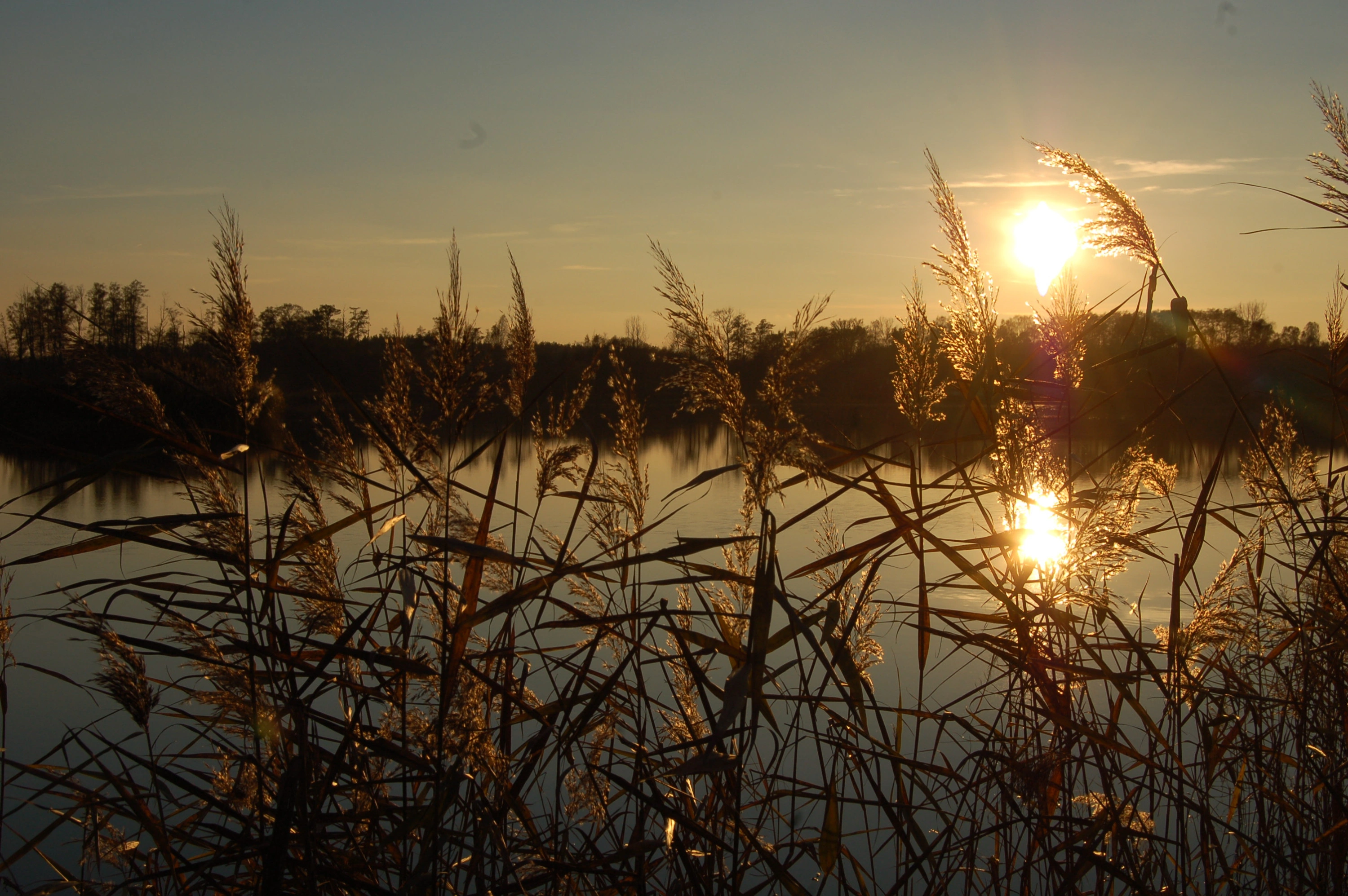
A carp pond is not just a place for fish farming. It is an element of the landscape, a workspace, but also a natural area that functions in the rhythm of nature. It is water, vegetation, birds, the local community, and tradition passed down from generation to generation. Sustainable development in our project is not just a slogan. It is a foundation.
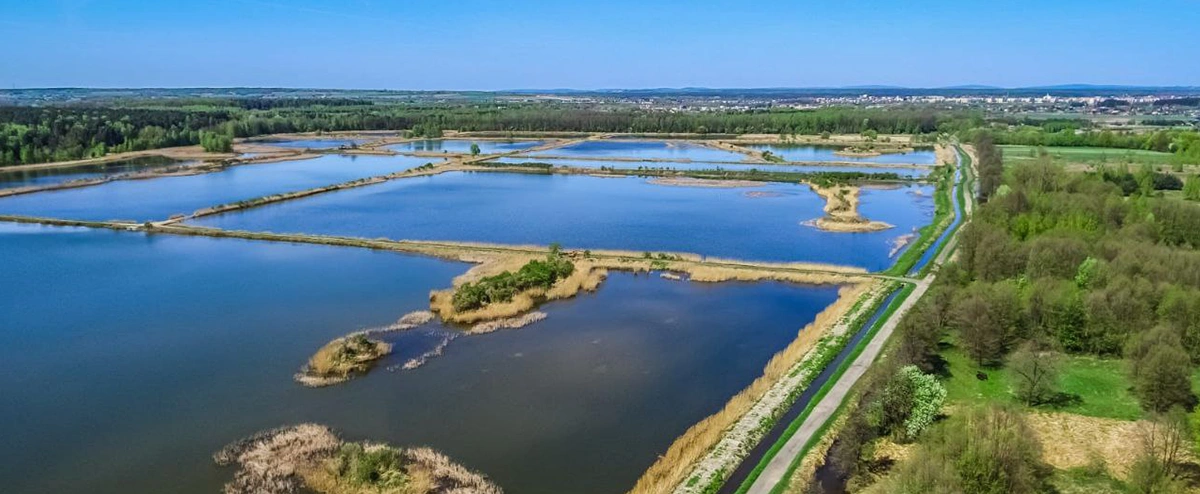
Polish carp farms operate in a model that has long combined food production with responsible land management. Scattered throughout the country, the ponds create a mosaic of aquatic ecosystems, while also being workplaces and sources of income for many families.
Sustainable development means for us:
Because the shorter the journey from producer to consumer, the greater the transparency, freshness, and economic stability of the farms.
Access to local, regional aquaculture farms is an element of food sovereignty.
In times when supply chains can extend and complicate, local production and direct sales become a real support for the market. This increases the competitiveness of domestic products and builds the resilience of the sector.
Sustainable development is also knowledge — accessible to all.
We talk about "a new opening," but we do not start from scratch.
We rely on the long-standing experience of the sector, industry documents, collaboration with experts, science, and administration.
Sustainable development means for us combining tradition with modern forms of sales, communication, and education. It also means jointly developing directions for growth — both at the local and national levels. This is the entire production process: from breeding, through catching, processing, to selling.
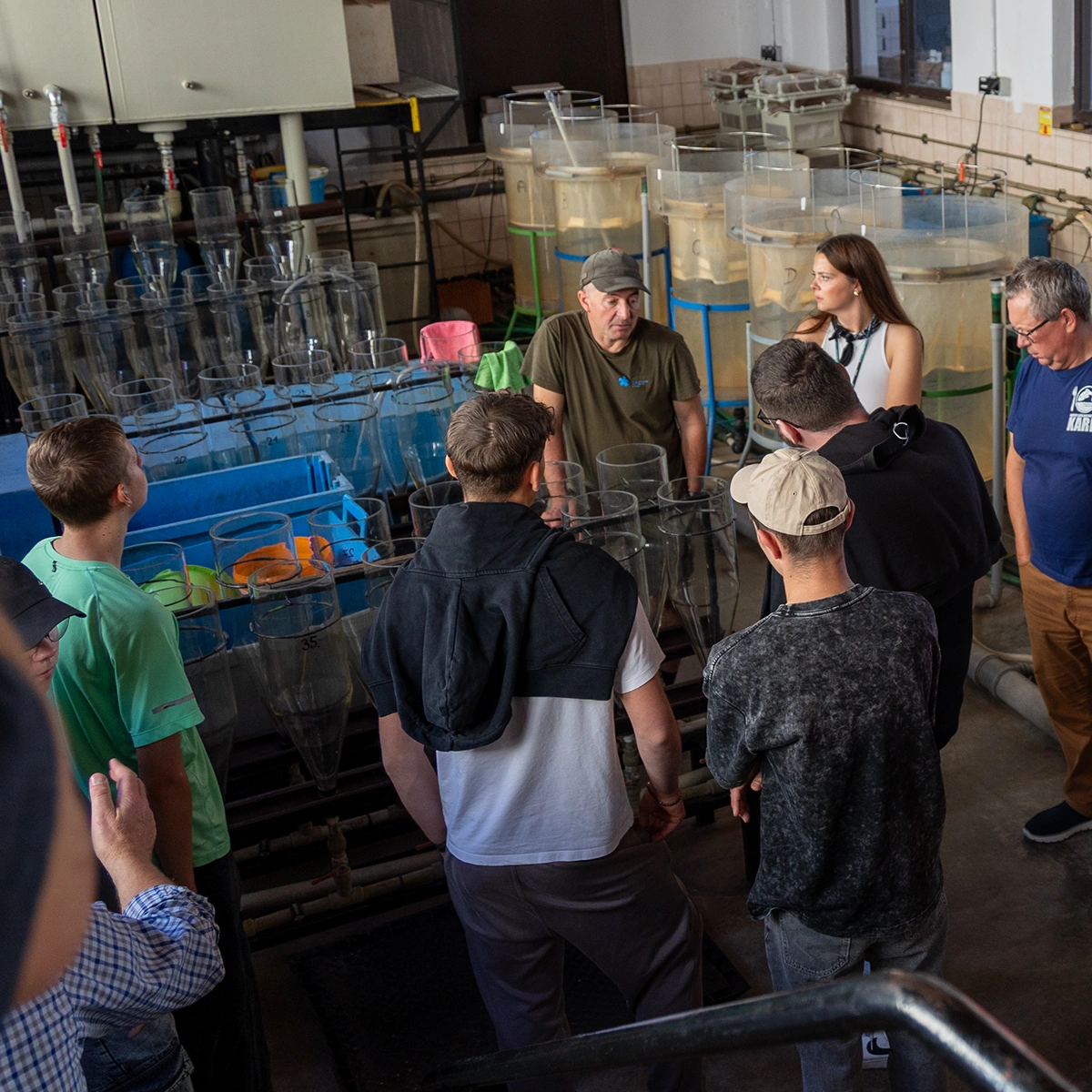
The project "Direct Sales of Domestic Aquaculture Products – a New Opening" is part of this process. These are specific actions scheduled for the years 2024–2027, the effects of which will be publicly available.

