

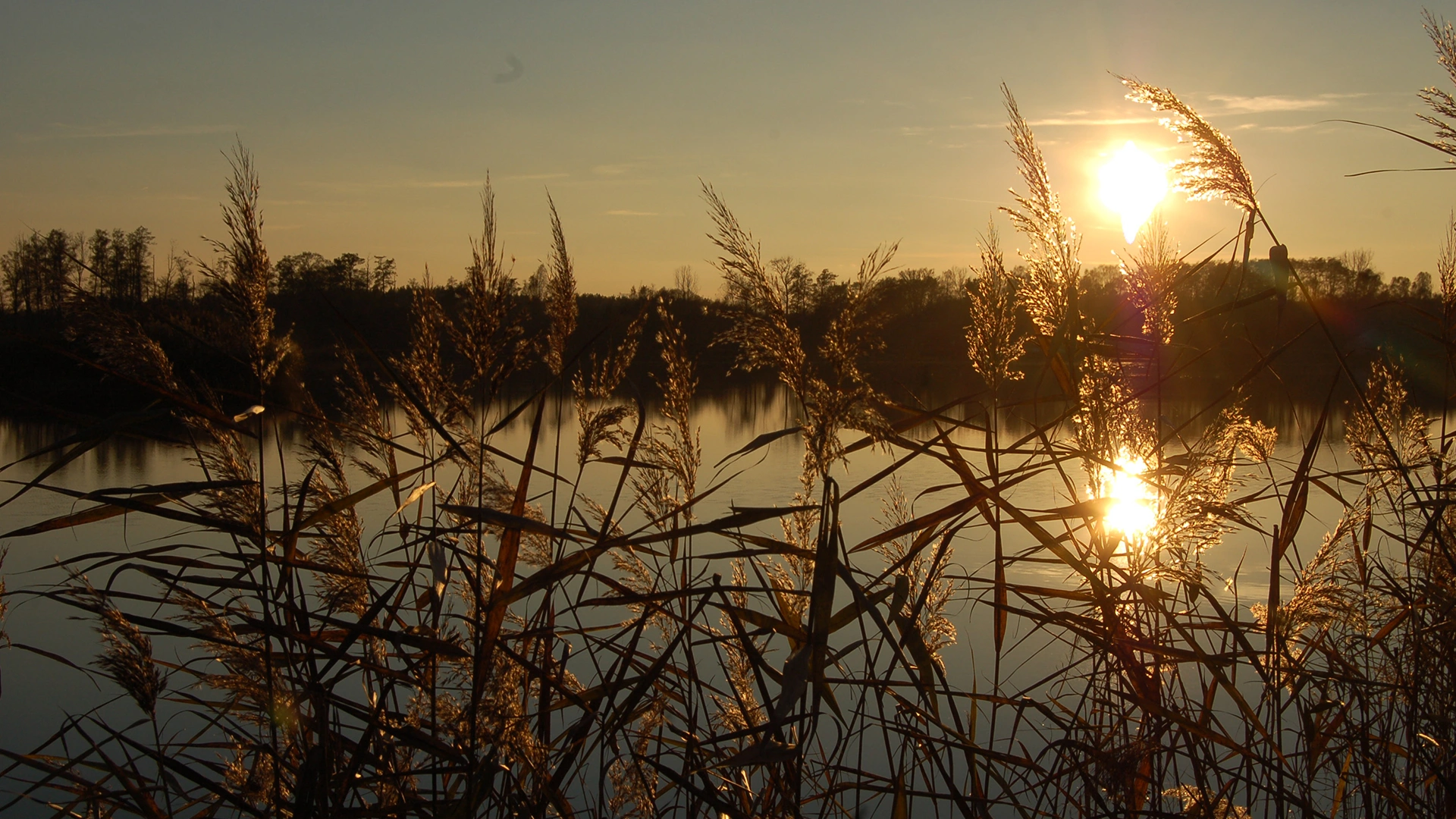
Ponds gradually come back to life. This is the time when breeders assess the condition of the water bodies, prepare the infrastructure, and plan for the upcoming season. Although at first glance not much seems to be happening, in practice this is one of the most important stages in the entire carp production cycle. Decisions made at the beginning of the season have a direct impact on its further course.
The new season starts with preparing the ponds. The water level, the condition of the embankments, hydraulic devices, and the entire infrastructure that will be used in the coming months are checked. It is also a moment to tidy up the space and remove any damages from the winter period. In well-managed farms, there is no room for chance – every element must function smoothly before further work begins.
The next step is planning the stocking and restocking. The breeder must decide what quantities of fish will go into each pond, in what structure, and at what rate the breeding will be conducted. These decisions require experience because they must take into account both environmental conditions and sales opportunities in the coming months.
With the arrival of warmer days, feeding the fish gradually begins and their condition is observed. This is the moment when daily, systematic work starts – less visible to the end consumer, but crucial for the quality of the product. Carp farming is a process spread over time, requiring patience and constant monitoring.
Already at this stage, many breeders think about organizing direct sales points, possibilities for expanding the offer, or cooperating with the local market. The short supply chain thus begins not in December, but right now – from planning and a conscious approach to the whole process.
Spring in the fish farm is a calm but very concrete moment. This is where everything begins that later ends up on customers' tables. And even though queues at the stalls are not yet visible, it is precisely now that the foundation for the entire season is being built.


